
Lament

Two weeks ago, I did something terrifying.

I read poetry in front of people.

Scary poetry. Honest poetry. Lament poetry.

Lament is one of my new favorite words. Merriam-Webster (almost the best dictionary ever, after the OED), defines it as an intransitive verb, meaning to mourn aloud. 

Free image courtesy of stock.xchng and OmirOnia


Mourn. Aloud.

I love my church. It’s my family. But over the last year especially, I’ve been realizing that the larger church–or at least many people in it–has little space in its theology for the bad things that happen. I’m not talking about little struggles, bumps in the road. Those are a natural part of every human’s life. I’m talking about the bad things–the things for which there is no sense. Eight-year-old girls who get leukemia. Forty-five-year-old fathers who die of cancer. Classes of kindergarteners shot down by sick, deranged gunmen.

Volumes and volumes of Christian theology are devoted to understanding these things. Logical treatises, high-caliber philosophical explanations are offered. Yes, in moments of quiet, those explanations can help us understand a world that shakes us to the core. Yes, there is a place for understanding. But it’s not in the middle of the suffering.

It’s natural to want to skip past the pain to the victory; to tell thesis-driven, neatly packaged stories of conflict, climax, and resolution. We minimize the dark, torn-up moments of life because we don’t know what to do with them–instead we fast-forward straight to the overcoming, the lesson learned, the transformation accomplished. All those are good things to see and give thanks for, in 20/20 hindsight. But sometimes, when you’re in the midst of the story, you have no idea what the resolution’s going to look like. And when your feet are bloody from the road, you may not even be sure you’ll ever reach the destination.

Free image courtesy of stock.xchng and jagoelaar


My pastor has started a sermon series on laments in the Bible, and it brings me joy because it means our church is talking about these things. The most helpful thing, when all the walls of your world are caving in and you have no pain tolerance left, is to mourn. To acknowledge the pain. The frustration. The fear. The confusion. The anger. The abandonment. These are real feelings. If you haven’t bled on the sharp point of these feelings yourself, others’ cries of lament may sound grotesque, depressing, even melodramatic. But listen anyway. Mourning sucks the venom from the snakebite. It keeps the sorrow from drowning you when you can’t yet see the shore. And to listen to someone else’s mourning, to be a safe sound room where their raw pain can be released, is to help them heal. 

Free image courtesy of stock.xchng and anyone71

So here are a few laments. Though my lament two weeks ago was in poem form because I love the power of poetry to express raw emotion, laments can also be expressed through songs, stories, paintingsarticles, novels, and maybe even forms I haven’t discovered yet.

Here’s one of my favorite laments, a poem called Bereft by Robert Frost: 

Where had I heard this wind before

Change like this to a deeper roar?

What would it take my standing there for,

Holding open a restive door,

Looking down hill to a frothy shore?

Summer was past and day was past.

Sombre clouds in the west were massed.

Out in the porch’s sagging floor,

Leaves got up in a coil and hissed,

Blindly struck at my knee and missed.

Something sinister in the tone

Told me my secret must be known:

Word I was in the house alone

Somehow must have gotten abroad,

Word I was in my life alone,

Word I had no one left but God.

And a piece of a lament from Psalm 13 (The Message):

Long enough, God
    you’ve ignored me long enough.
I’ve looked at the back of your head
    long enough. Long enough
I’ve carried this ton of trouble,
    lived with a stomach full of pain.

And one from me: 

I am not a poet

I am just a

kid broken by the thunder of

gunfire

brimming with words that

have noplace else

to go.

Though laments are scary to share in all their raw honesty, the sharing is worth it if it frees even one other person to mourn aloud. Or maybe if it teaches someone how to listen. 

Have you ever tried writing a lament? Tried sharing it with others? 

Popcorn

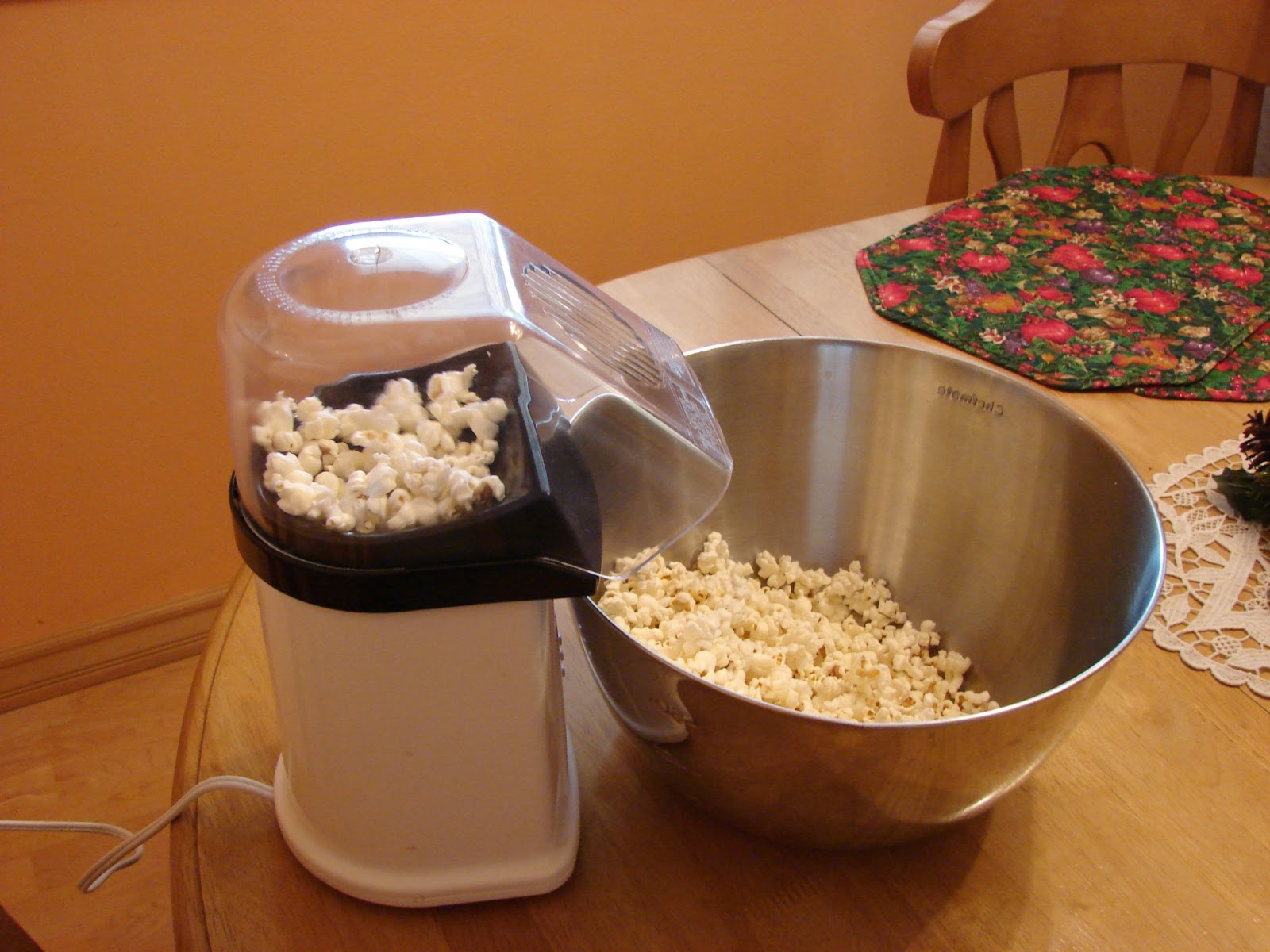
Ever popped popcorn in a hot air popper? It’s pretty fun. In fact, I maybe do it more for the entertainment than for the popcorn.

You have to position the implements carefully, though, or you can end up with a popcorn explosion on your hands. You start with so little–just a handful of hard kernels–that if you hadn’t seen it happen before, you’d never expect what happens to them. 

They whirl around in the popper, getting blasted with hot air and doing mostly nothing for a long time. Then–just when you’re about to lose interest and determine that you’ve got a dud batch of kernels on your hands–something happens.

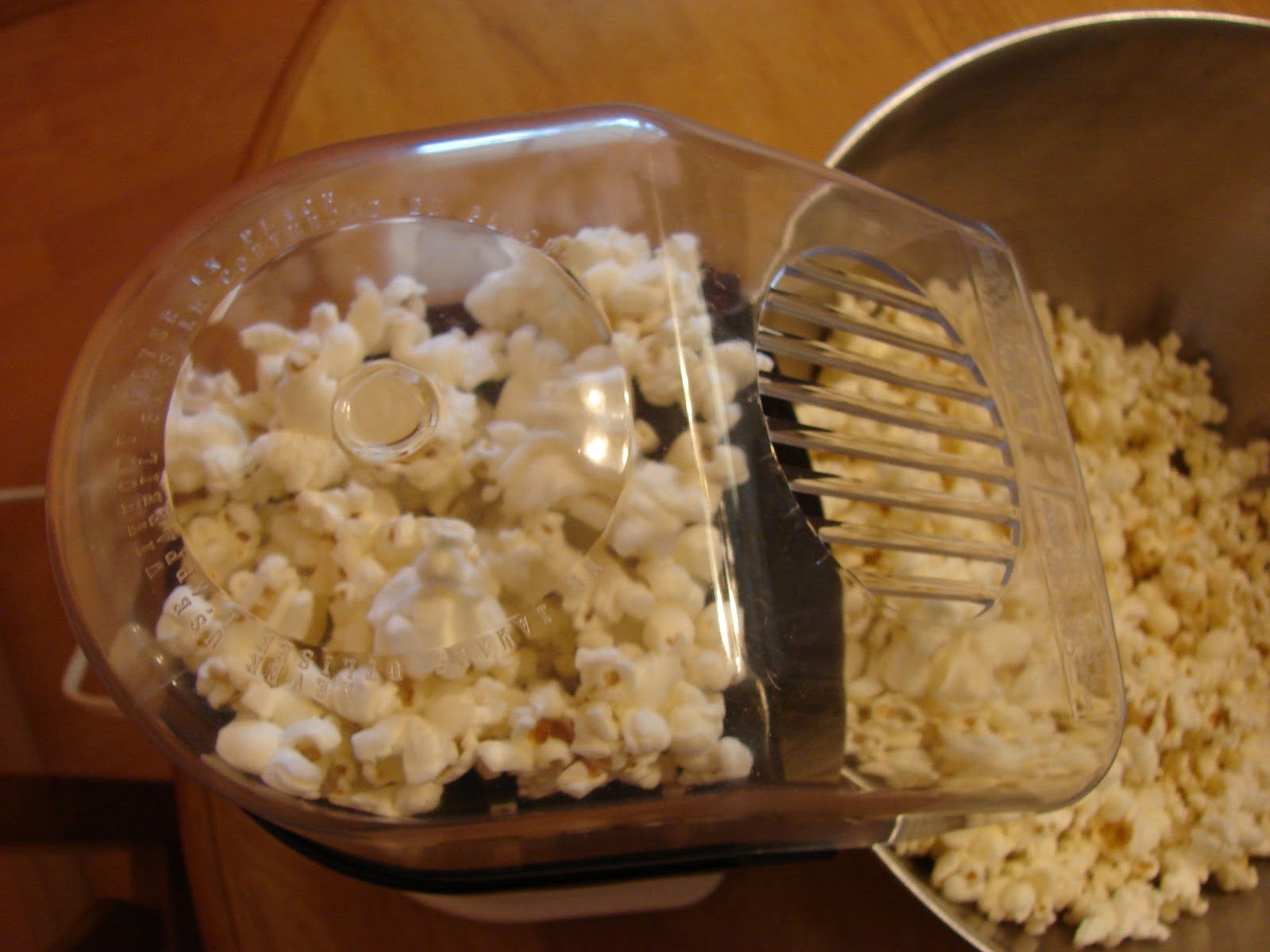
One at a time, a few kernels start to inflate like parachutes, turning from hard pellets to fluffy, cloud-like pillows. 


Then a few rapidly turns into a lot

…until your popper is so full that it looks like it’s going to explode. If that bowl in the picture weren’t squeezed right under the chute, there would be popcorn all over the kitchen floor. (Sometimes a few rogue kernels still get away.) 
I look back at my posts of the last few months, and I kind of see my life going through the popcorn popper, too. A few months ago–a very few–I was writing empty posts, hard posts: how to speak to the suffering, grieving through song lyricsthe confusion of being a twentysomething. But my life today is so full that it threatens to overflow all over the floor. While I still ask unanswered questions and find a constant need for direction, I am also brimming over with gratitude. In just a few months, I’ve gone from a career stalemate, consuming loneliness, and paralysis about future decisions, to career doors opening, an assembly of breathtakingly wonderful people in my life, and hope for the future ahead. Weeping may last through the night, but joy comes with the morning (Psalm 30:5). 

Joy that overflows like popcorn.

What are you thankful for in your life today? How have you seen fullness grow out of emptiness? 

The Spark

In a season of leafless trees and wet skies, here’s a change of pace on this blog: some winter poetry.
Free image courtesy of stock.xchng and Kadha
The Spark

Raindrops like

flowers of glass

clinging to twig latticework

A net of liquid pearls

against the opaque sky.

Unchained

slipping down like

unguarded

strings and strands of diamonds.

One lets go,

falling freely

spinning into space—

—a spark—

concentrating the

dull grey morning un-dark

to a single, fiery

flash—

an upside-down

world-mirror

that catches a glimpse of

hope—

breathing,

reflecting,

transforming,

reimagining the world in

one glass raindrop,

a vision in freefall.

Small Magic

I spent last weekend away at a magical cottage.
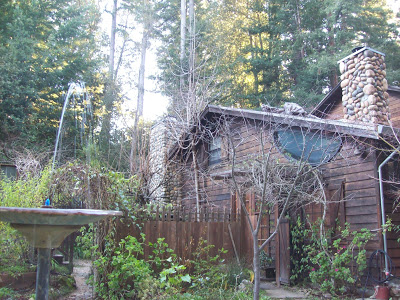
My family and I took some much-needed escape time over MLK weekend and tried our luck on an unknown B&B. Nestled in the big trees of the Santa Cruz Mountains, Redwood Croft is far enough away from civilization to be conveniently detached from cell phone and internet service. The owner informed us that a “croft” was a medieval word for a house, like this wood-and-stone manor, with adjoining land for a garden. (Garden might not be exactly the right word for the wild and lovely ramble of native plants that wound around the house.) The grounds begged me to tramp around with my camera. 
How do I know it was magical, you ask? Well, it was obvious, my dear Chronicles of Narnia fans. There was a lamp-post in the front yard. As if we’d come from the far country of Spare Oom.  
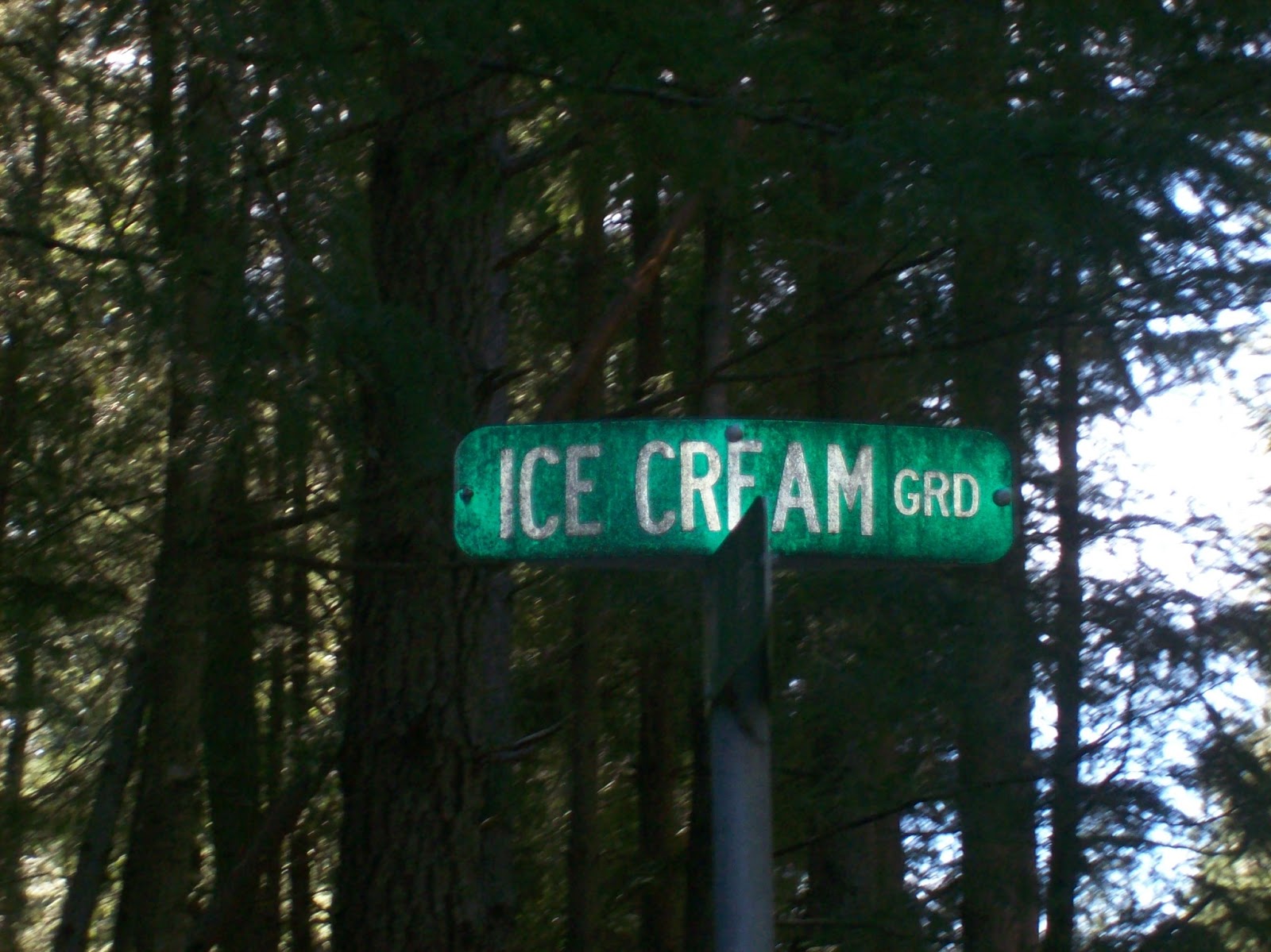
Actually, I knew it as soon as we turned on to the street. It was called Ice Cream Grade. 

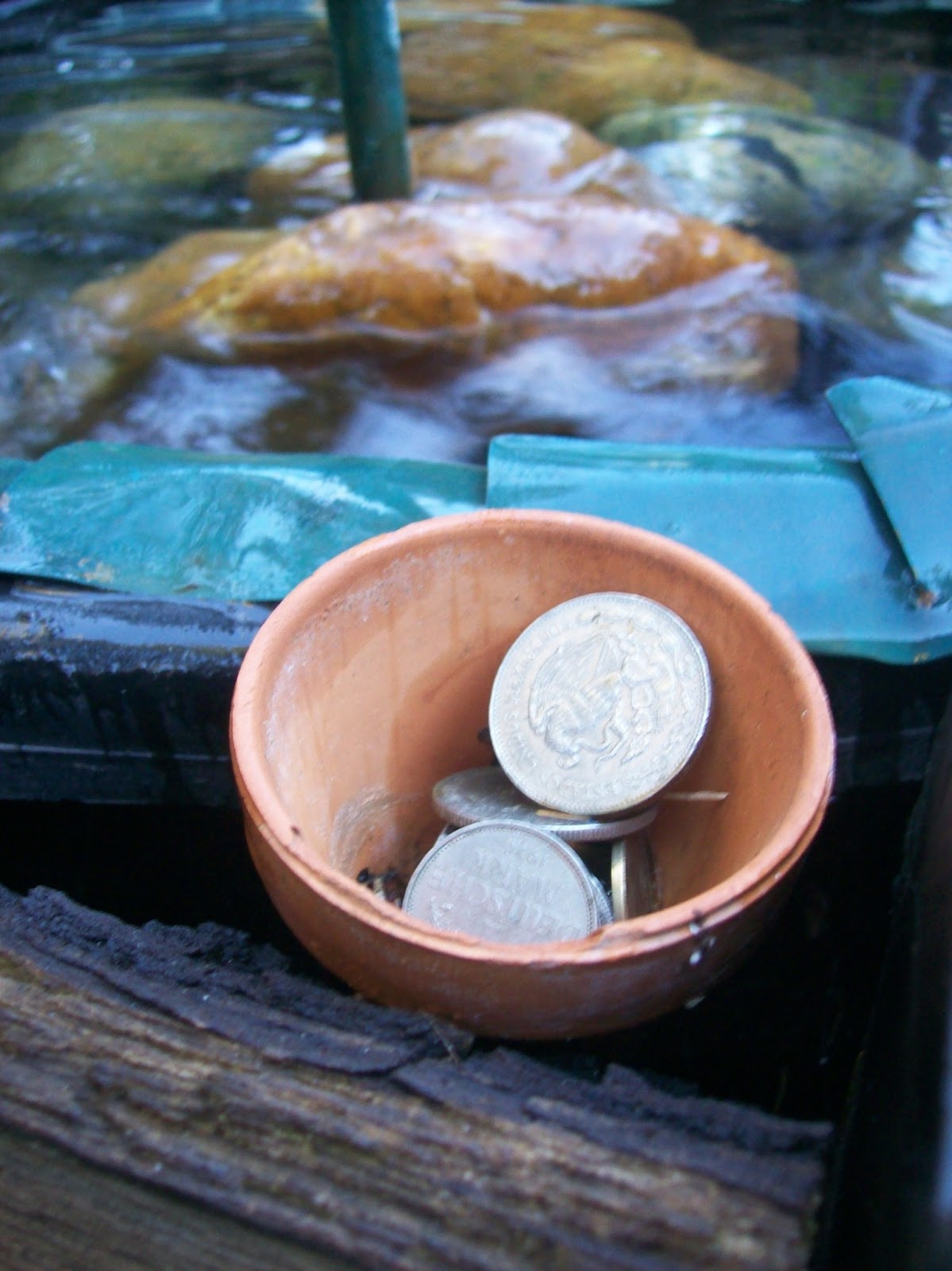
Not to mention that there was a wishing well in the back. Pre-equipped with wishes.  

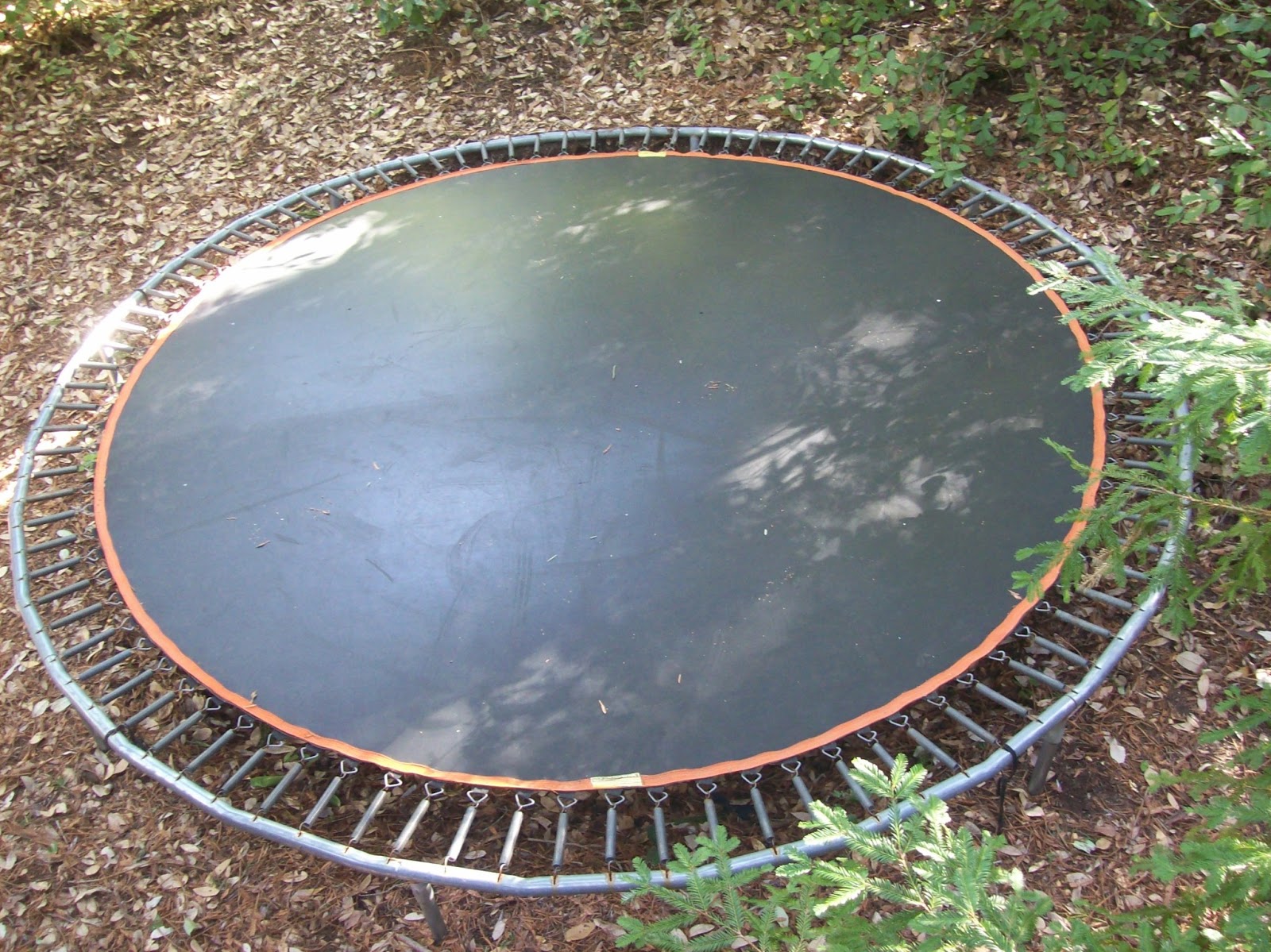
 Maybe not your typical storybook variety of magic, but certainly one that returned me to childhood: the giant trampoline under the redwoods. I hadn’t jumped on a trampoline in years. I quickly rediscovered just how euphoric flying can be.  
Unfortunately, I don’t have a picture of some of my favorite memories, such as sitting down to the sumptuous breakfasts served on vintage dishes, with taper candles and white poinsettias on the table (there are a few photos on the B&B’s website). Or curling up to read by the warm woodstove in the evenings, a strand of Christmas lights twinkling just outside the window, a little old dog named Spinner snoring on a sheepskin on the couch. 

But with views like this to photograph, I didn’t have many pictures left on my camera card anyway. 

Magic is everywhere, usually in the small things, if you’re looking for it. Maybe it was just a little easier to see at Redwood Croft.

Did you have any adventures over the long weekend? Discover any small magic of your own? 

Turning the Page

Well, good morning, 2013. I’ve been underground for a while. Nice to see you.

Time to get a new year of blogging up and running with a post about New Year’s Resolutions. Someone told me recently that they don’t bother with resolutions at New Year’s–if they see a need for change in their life, they’ll get on with changing it immediately. I respect that, and I don’t hold much stock in resolutions either, but last year I talked a bit about my philosophy about resolutions vs. goals. I do like the opportunity afforded by a new year to turn a page in life. If 2012 beat down your idealism and best efforts and dragged you through the mud, it’s okay. Wipe the slate clean. Cancel the debts. Start fresh. Tomorrow is another day.

I like to start by glancing over my shoulder at last year’s goals. It’s a bit encouraging, a bit dismal, and a bit amusing to remind myself of what I set out to do in the last year:

1. Get to know God better by reading the Bible through in chronological order

Status: in process (forever). I made it about halfway through the Bible before this year’s hurricanes got in the way. I’m hoping to pick up the other half and finish it this year.

2. Have the second draft of my novel completed and be ready to start looking at literary agents by June

Status: in process (hopefully not forever). The second (and third) drafts of my novel are done (yay!) but I’ve learned a lot about the process of publishing since last January. I decided to recruit a squad of test readers, primarily 9-14-year-olds, to read the manuscript and help me identify its weak spots. That process is now winding up, as the last few of these loyal secret agents send me their invaluable files of comments. Armed with these, I plan to troubleshoot the manuscript one last time and then apply to some literary agents. I’ve also learned more about the increasingly attractive and accessible process of self-publishing, which may be another possible route for my book.

3. Take a 2-month class on blogging and social media for authors

Status: done! One down! I learned so much from this class, taught by Kristin Lamb. We may not agree on every issue, but it definitely got me thinking about writing as a business, kicked me into gear on Facebook, Twitter, Goodreads, and Google+ (yipes!), and most importantly, got me connected with a network of other writers who are working toward the same goals.

4. Buy a car

Status: also done! My sweet silver ride still makes me smile. Ever since we met back in July, it’s been love for Baby and me 🙂 Incidentally, I’ve also learned how to check PSI, buy a pair of windshield wipers, and refill wiper fluid in the engine (hint: you can use plain water :)).

5. Read Gone with the Wind, Othello, and The Kite Runner

Status: 2 out of 3. None of these are especially happy books, but The Kite Runner was just too intense for me by the time I thought about it in mid-August. Othello–forgive me, Shakespeare–was not my favorite play ever. The conflict felt contrived and the female lead was just downright wimpy. Othello wasn’t exactly a genius, either. I think the best role went to Iago’s wife, who told everybody what was what (before dying in the last scene, of course). Gone with the Wind was the best of the bunch–a soaring, operatic panorama in a style that reminded me of Les Miserables, but was much easier to read. The characters are fiery and unforgettable, and the portrait of the antebellum South was detailed and dramatic. A great book, if you’ve got time for a long one.

And now for some new goals. We’ll see how these fare in the year to come 🙂

1. Grow closer to God

2. See my novel accepted for publication or self-published

3. Work up to a monthly income I can live on

4. Learn the craft of bookbinding. Okay. How cool would THAT be??

File:Restore.jpg

What are your goals for 2013? 

Beauty from Storm

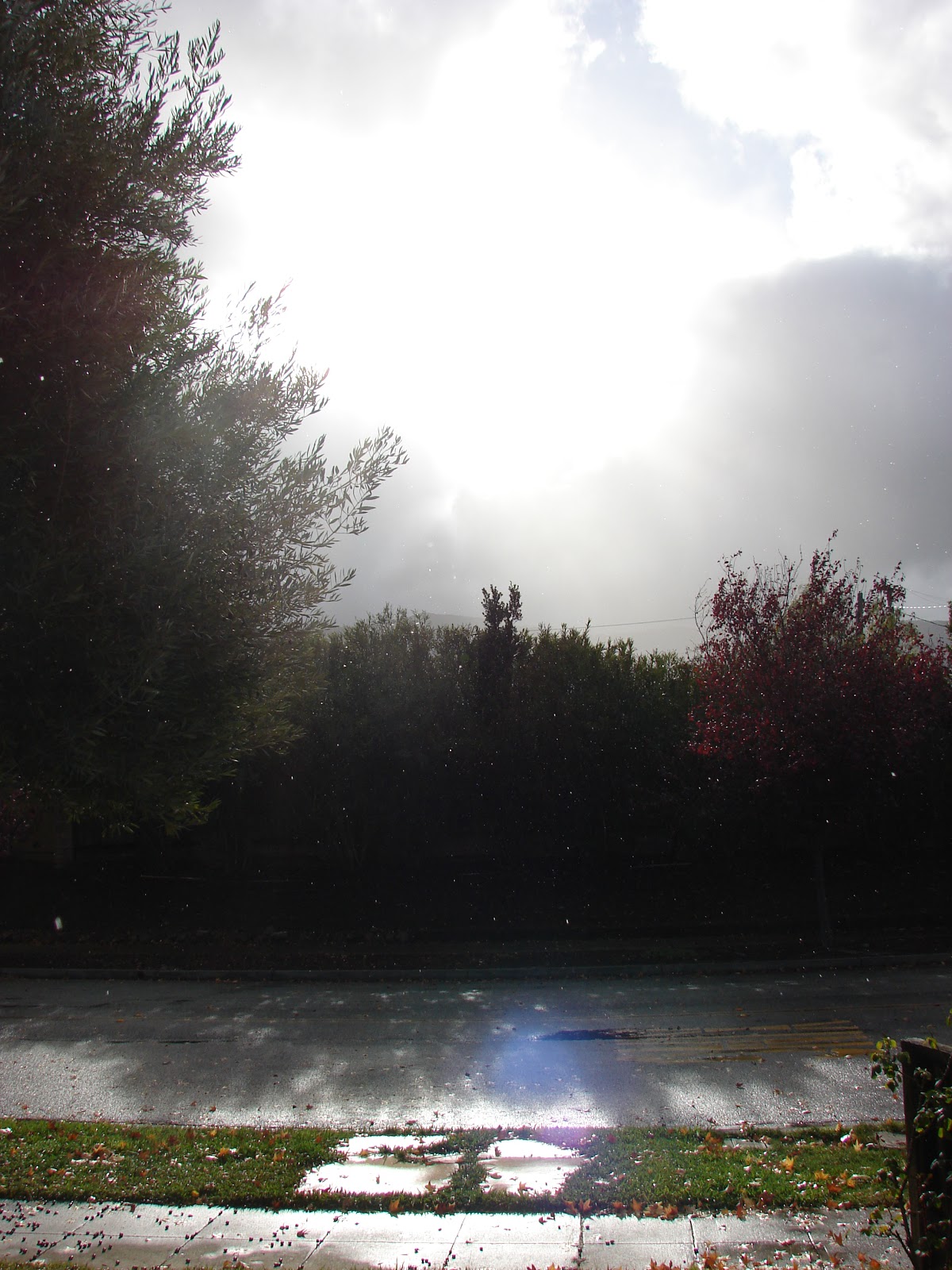
Yesterday morning arrived in gusty, wet glory.

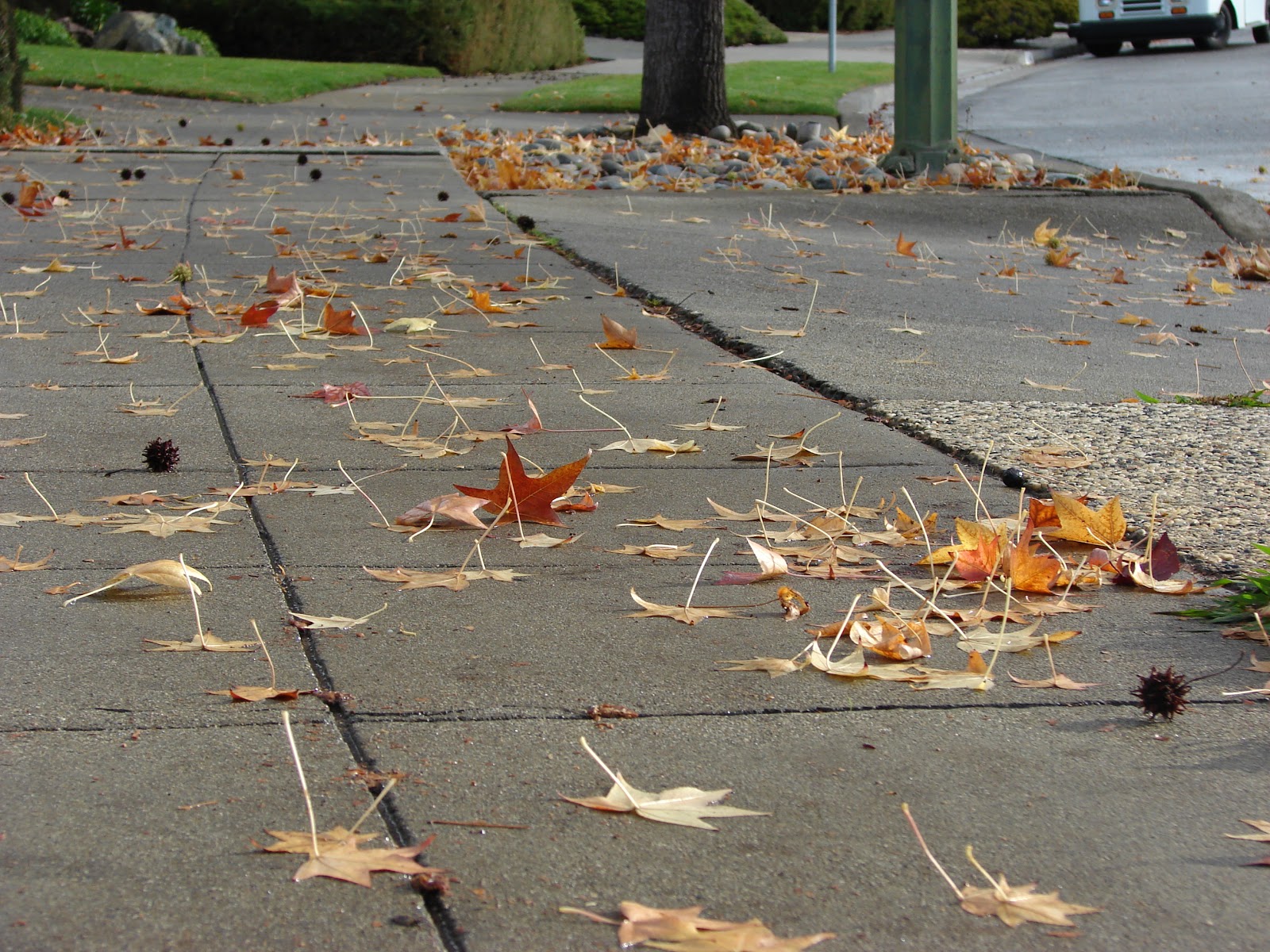
When I lived in Seattle, waking up to gray morning after gray morning, nothing but sunshine seemed beautiful. But here, where sunshine is the norm, a really stormy day almost takes my breath away with its power and awe-full majesty. Sheets of rain cascade and collide. Leaves–mauve and orange and gold–scatter like trails of magic, effortlessly puffed down the street. Delicate tree branches bend and sway, threatening to snap at every moment in their reckless dance. It is inspiring as well as terrifying to watch.

But what struck me most was what was left in the wake of the wind and rain. When the loud forces of destruction quieted, I went tromping around with my camera and galoshes, noticing the tiny, quirky miracles left behind.

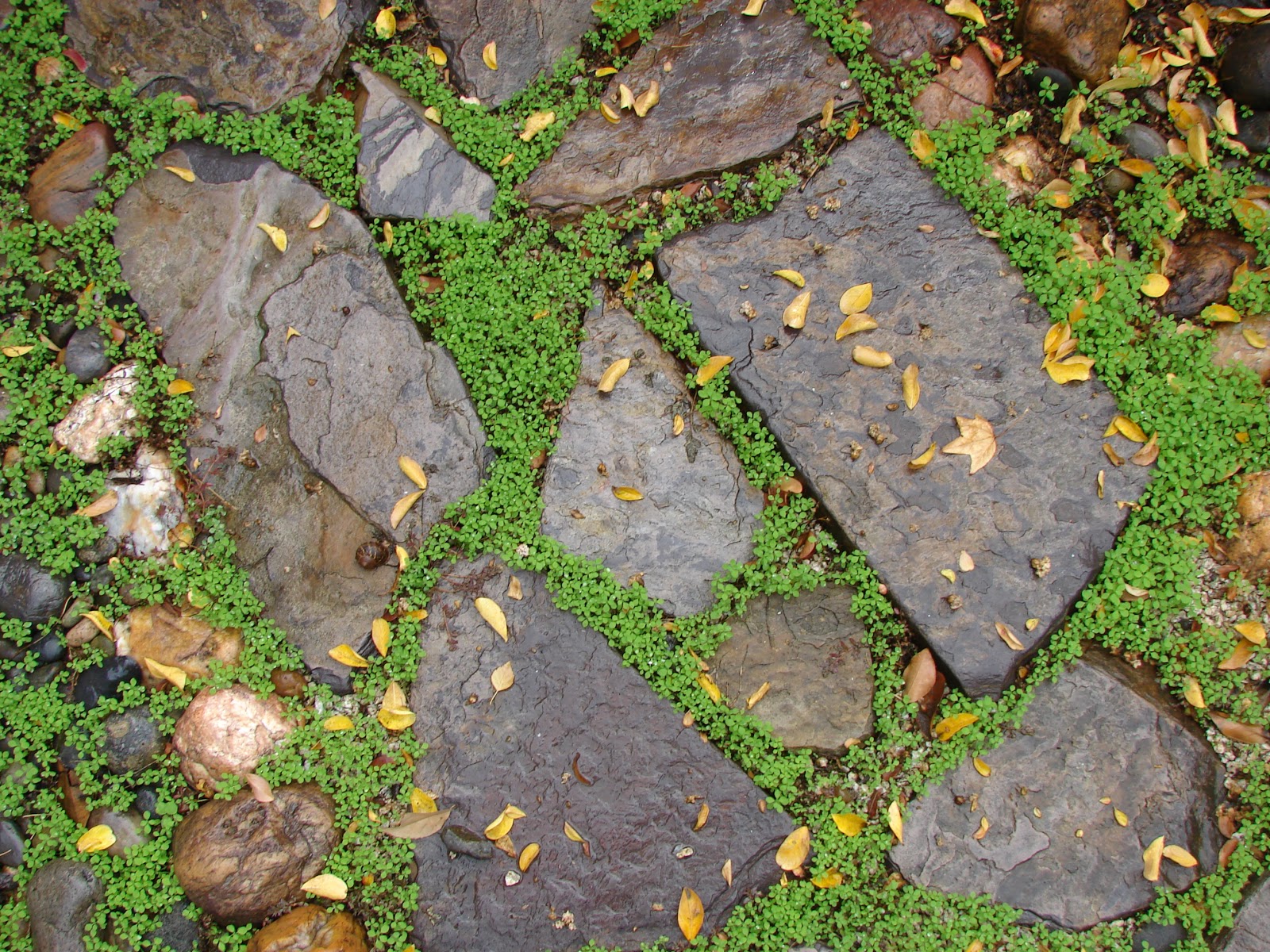
Things like mossy green baby-tears springing up between paving stones, the soft blooming to surround and overcome the hard.

Or the fact that almost all the maple leaves were stuck face-down to the sidewalk, leaving their stems sticking straight up into the air like the tails of curious puppies. 

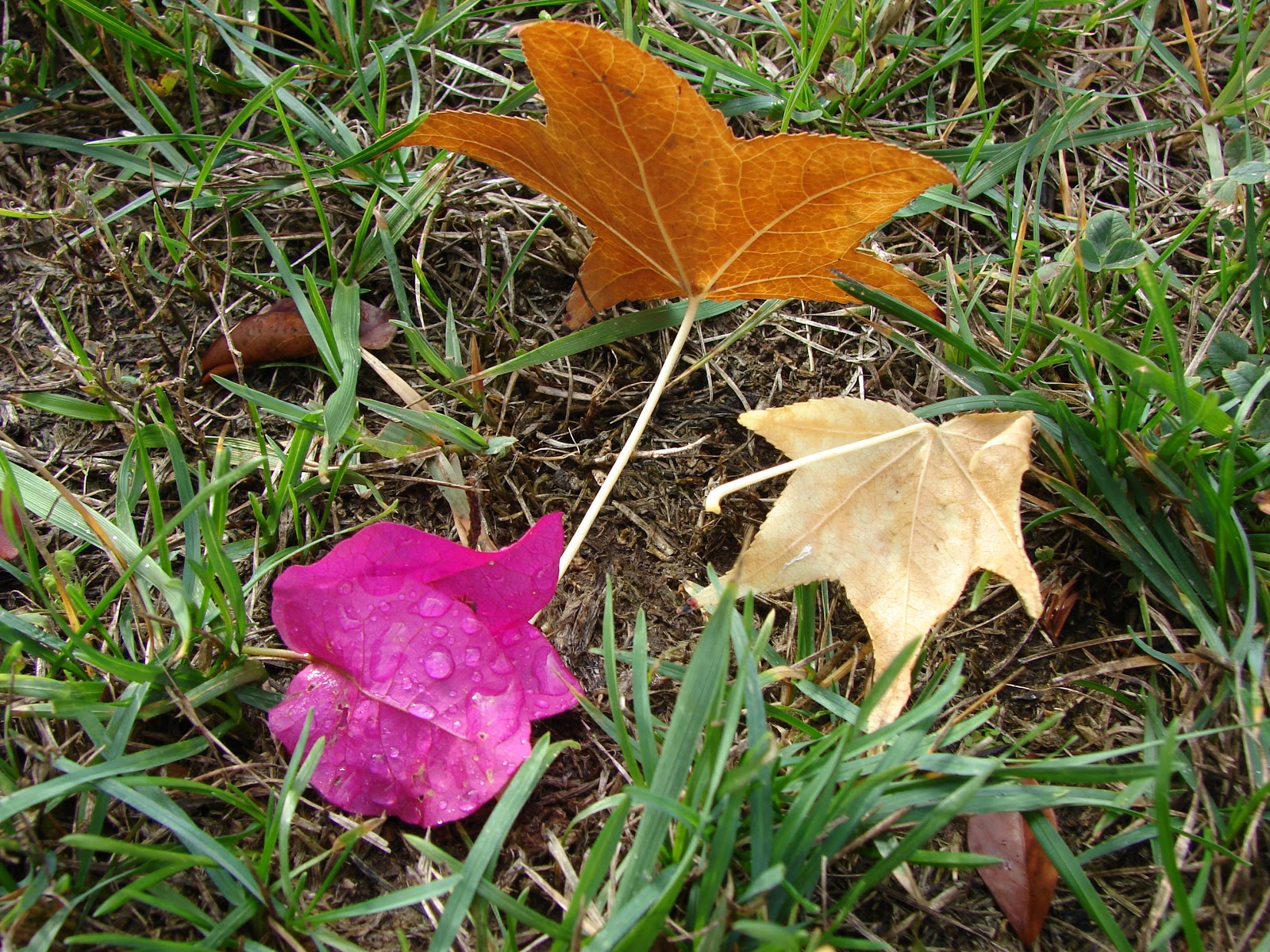
What I thought was most interesting of all, though, was the sight of our lawn. I looked out the window and noticed that the helter-skelter whipping and tearing of the storm-force had mingled dead autumn leaves with flowers from our bougainvillea vine.

Life mingled with death, the shedding of a tree’s old coat beside pink crepe butterfly-delicate petals. The dying of the old year beside the flowering of the new. Autumn and spring scattered side-by-side. It made me think of Tchaikovsky’s Dance of the Flowers. 

It also made me think that even November storms that make the house creak, that strip the trees of all their finery, that force in bare branches and winter before I’m quite ready for them, can leave beauty behind them as well. Gales can even bring the beauty, sometimes: the same violent  winds that destroy can scatter the lawn with flowers.

Maybe–perhaps even this–the beauty wouldn’t come without the storm.

Death and Song Lyrics

Very early on the morning of November 6th, my grandma passed away peacefully, her wracked, skeletal body stilling and ending eleven months of daily burial.

In the heat of caregiving, when all you can feel is strained muscles, all you can taste is sweat on your upper lip, there is no room for poetry, and the people who sit off to the side in armchairs, seeing the big picture and attempting ameliorating words, feel like clichés.

But when the whistle blows at last and the laborers collapse in a heap, there is a sudden silence. Suddenly, without work to do, your hands twist idly, mind freezes in the cold strange silence, and with long flabby stretches of time and no inclination to industry, then the poetry comes back to usefulness. 

I made one CD mix for my car, a jumbled mix of songs that plays in endless circles as I drive. This poetry help to shout down the emptiness, to bring at least rhythm, if not sense, to the cacophonous thoughts. Here are a few of the most played.

Paradise, by Coldplay
Life goes on and gets so heavy

The wheel breaks the butterfly

Every tear a waterfall

In the night, the stormy night, she’d close her eyes

In the night, the stormy night, away she’d fly

And dream of paradise…

Run, by Snow Patrol


Light up, light up

As if you have a choice

Even if you cannot hear my voice

I’ll be right beside you, dear…


Desperado, by The Eagles


Desperado, you ain’t getting any younger

Your pain and your hunger,

They’re driving you home…

In the moment of pain, we screech or grunt without thinking. When it’s quiet and still again, though, there is time to search out words for the shapeless animal howls. Through poetry, our own or others’, we weave severed tendons into a tapestry that bleeds and tells the story of bleeding. 

How do you make sense of the senseless? What methods of expression are helpful to you?

Zucchini Cake

I don’t know what’s up with the baking analogies. I don’t even like to bake. But I have this thought that people are like cake.

So, this is a hard admission: as you may have deduced by now, I’m a people-pleaser. I’ve always wanted to be a chocolate cake.

Free image courtesy of stock.xchng and nosheep

Since childhood, I’ve tried to be the “good kid”–pleasing parents, Sunday school teachers, kids I wanted to be friends with, kids I didn’t want to be friends with, college professors, people at church, random strangers at Starbucks. My code of conduct went something like, “Fly under the radar, don’t irritate people, do what you’re told, appease.” Because people only want chocolate cakes, right? Chocolate cake people make the best friends, students, children, right?

Chocolate cake people: plural noun. Punctual, humble, not only faithful in but excited about prayer, churchgoing, service activities. Don’t talk too much, don’t talk too much about themselves, modest, demure, good grades, walk the straight and narrow. Also hospitable, good conversationalists, and don’t go outside looking frumpy. Ever.

So if people only want chocolate cakes, I have to be one, right? To get approval (and what else could be worth getting?) I’ve aimed for perfection, or as close to it as possible. Other people’s displeasure was my fault, my failure.

Here’s the trouble. I’m not a chocolate cake. I think I might not even count as cake. I get this frequent, sneaking suspicion that I’m made of something else entirely–something green and lumpy that won’t stick together and certainly won’t fluff in the oven. Something like…zucchini.

Free image courtesy of stock.xchng and soultga

Zucchini person: singular noun. Lags just a few minutes late for every activity. Talks too much about self and sometimes snorts at own jokes. Sometimes doesn’t feel like praying. Wakes up without makeup and sometimes on the wrong side of the bed. Worries about job, friends, future.

Well, zucchini is obviously an unacceptable basis for the making of cakes, especially when all cakes are supposed to be chocolate. So my solution has been to slap some nice, thick frosting on top and smear it around. See? Picture-perfect cake.

Free image courtesy of stock.xchng and coachen

Then there’s the broiler.

A little summer heat is one thing; if your inch-thick coat of frosting starts to melt, you just patch the thin spots. You can still hide what’s underneath. But sitting under a 500-degree hot wire for long enough is more than any coat of frosting can bear. A hot wire like eleven months of caregiving, for instance.

Hard times have a way of stripping away your layers of fakeness. Insincerity soon melts under the flame. And what’s left for people to see is…zucchini. Embarrassing, un-chocolate, imperfect, vulnerable.

This is the point, in my imagination, where people scream and go, “Ew, gross! Someone get that unacceptable vegetable out of here!”

But, to my dumbfounded astonishment, that’s not what I’ve seen happen. The more I can’t hide my true substance, the more I show people that my cake is far from chocolate, the more I’m let in on a secret.

Other people’s cakes aren’t, either.

Vulnerability is like an amoeba. It multiplies itself. Numerous times in the last few months, I’ve had the shocking experience of hearing people–even people I regard as the gold standard of chocolate cake–reveal their failings, their doubts, their awkwardnesses, their fears. Almost no one sails through life in complete confidence (and those who do are ignoring some things). No one marches into battle without sweaty palms. No one looks in the mirror every morning, smiles a toothpaste-commercial smile, and whispers, “go get ’em, chocolate.”

Vulnerability also brings people together. I used to think, not very long ago, that I really had to be perfect for people to like me. What absolutely stuns me is the slow discovery that perfection intimidates–and honesty is true beauty. People don’t like you less when you show them your hurt, your awkwardness, your doubt. Honesty levels the playing field. It expresses trust, need, connection. The ugly green truth is what allows deep, real connection to bloom.

Free image courtesy of stock.xchng and kyra

So, here’s my confession. I’m not made of chocolate. Sometimes, with all my zucchini-greenness going on, I think I make a miserable excuse for cake at all. You don’t have to like it. But that’s what I’m made of. And now that that’s out in the open, I’m glad I no longer have to spend my life patching the frosting.

Ever felt like a zucchini cake in a chocolate-cake world? What have you discovered about revealing that to other people? 


Halloween and the World Literacy Project

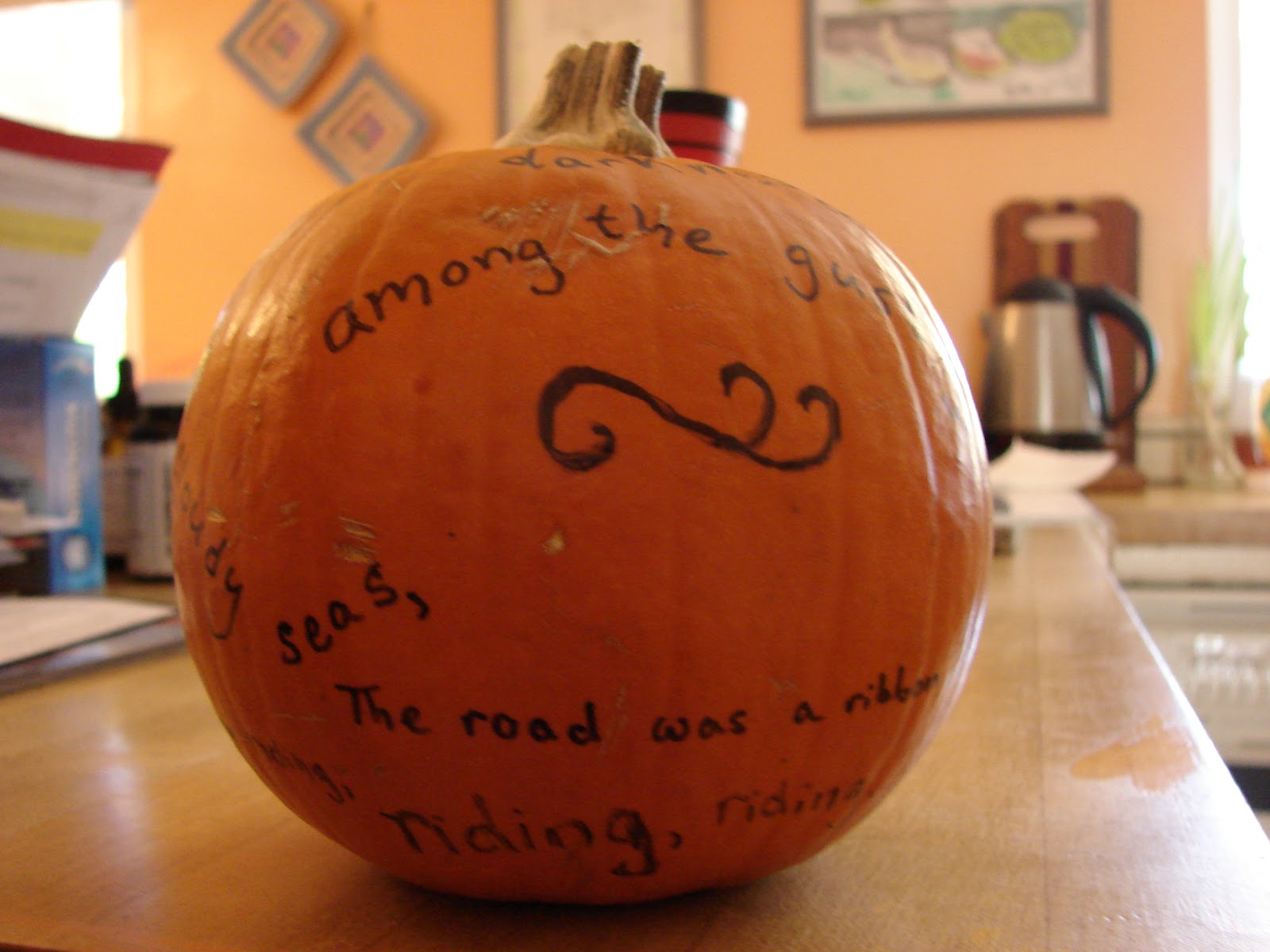
As I have previously confessed on this blog, I am a baking-challenged person. Today’s confession is that I’m also challenged at the visual arts. That means that this time of year, when people are putting cute little decorated vegetables on their doorsteps, shows me for the stick-figure artist I am. Also, I’m a klutz and big knives scare me. 
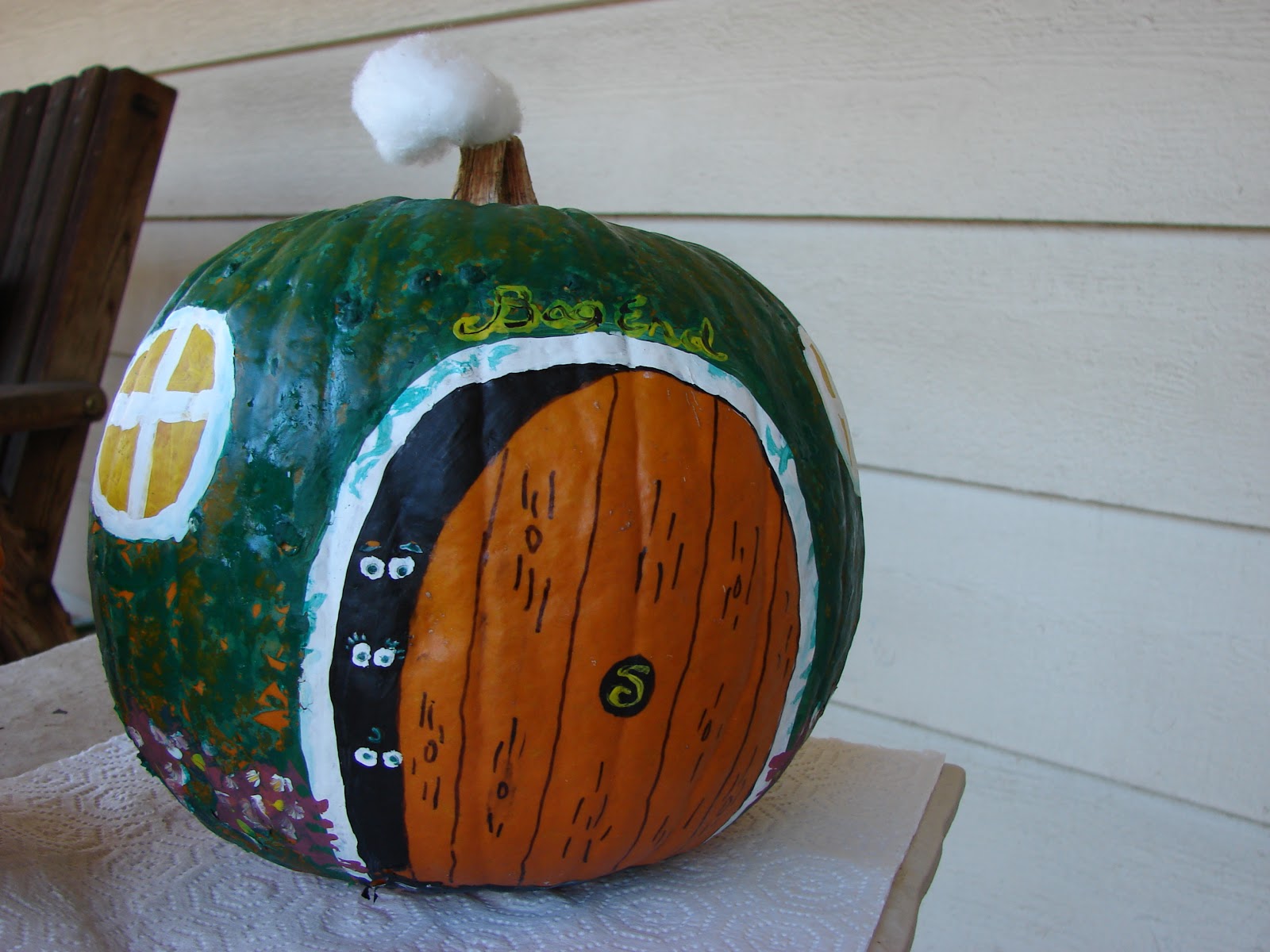
So rather than compete with my mom, who painted her pumpkin as an idyllic, full-color rendition of Bag End, complete with cotton-fluff smoke coming from the chimney…
…or risk chopping off my fingers with a big knife, this year I decided to bring my own branch of art to the pumpkin-decorating frenzy. 
Poetry! 
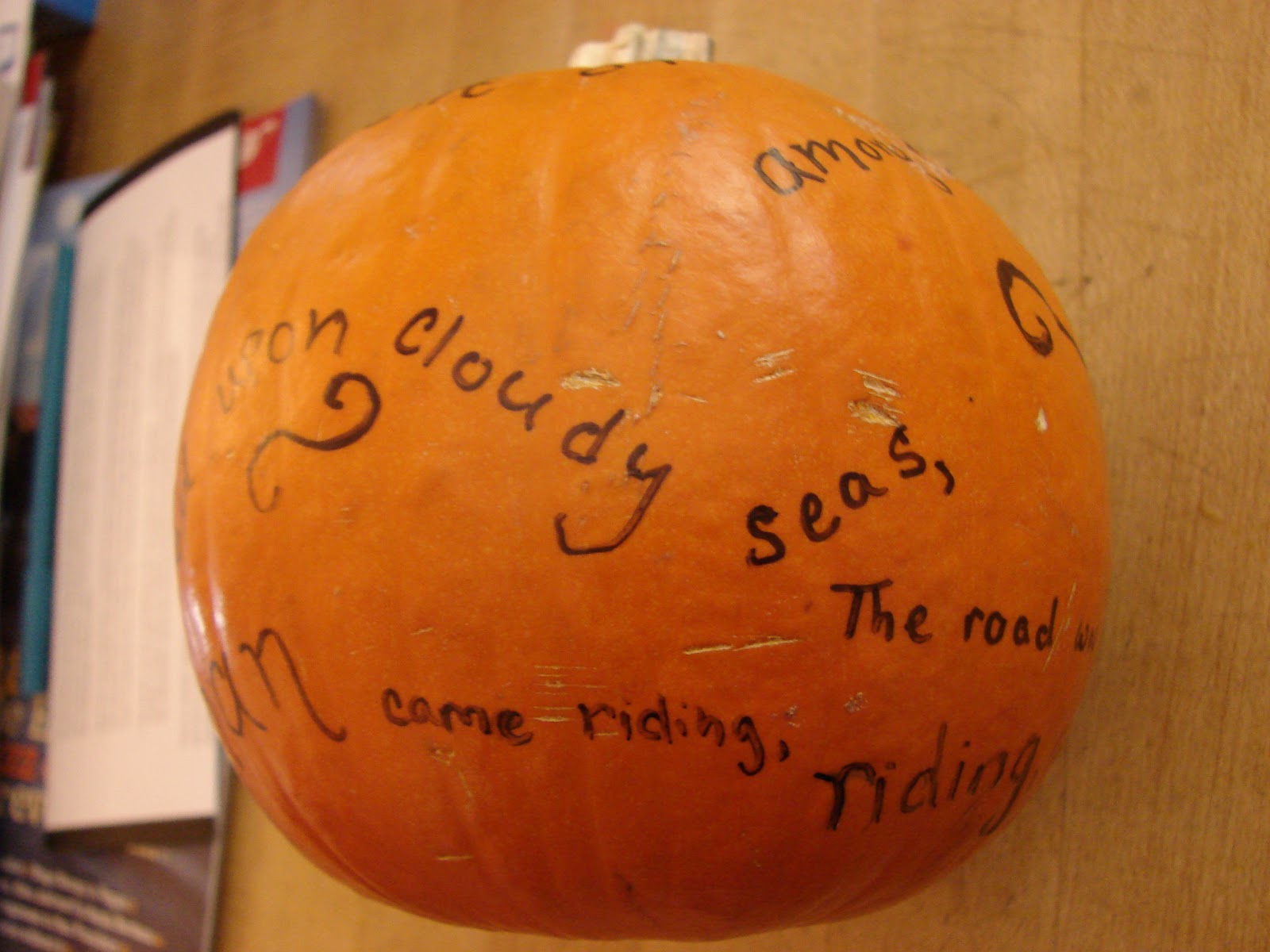
This pumpkin is my attempt both to sidestep artistic humiliation and contribute to world literacy levels and cultural awareness. Come on, little Rapunzels and Captain Americas. Have some candy. And some extra brain cells.

These famous opening lines spiral consecutively around the pumpkin, creating both a ghostly ambience and celebrating the beauty of words. 

Now, here’s the challenge. Using only these snippets of famous opening lines, plus the author’s name in the photo below, can you identify this poem? Ten kudos points to whoever gets it right (and no cheating by my friends or family members who’ve already seen it in person)! 

Ready, set, go!

11 Questions for a Real Live Author

Ever wondered what a day in the life of a published author is like? Does the muse sing gracefully while fingers race on the keyboard to keep up? Or is it more like piles of coffee cups and shredded drafts? Do published authors have second jobs? What are their geeky secrets? And what do they think about e-books vs. paper?

Free image courtesy of stock.xchng and nkzs

Well, today we’re lucky enough to find out, because I’m doing my first author interview on this blog! Local author (and my good friend) Angela Wallace has just self-published her 5th title, an urban fantasy called Earth Tones, which is the third in her Elemental Magic series. She is now sitting in my virtual living room, ready to reveal her secrets. Muahaha.

I mean, welcome, Angela.


1. Let’s talk about book love (since that’s obviously one of my favorite topics). How old were you when you fell in love with reading? Can you remember what book/ books inspired you? 

I fell in love with reading the moment I learned how. I’d go to every Scholastic book fair and read enough books to get a prize every time. Some of my favorite books were Tamora Pierce’s quartets Song of the Lioness and The Immortals. They started with a young child with dreams or special powers, and the books followed their growth into young adulthood. I loved the journey. And the fantasy worlds. 😉


2. What was the first story you ever finished about? 

It was a YA sci-fi about a teenage rebel group in a post-apocalyptic United States. I guess the correct term would be dystopian, but it was heavy with space pods and ray guns. I wrote it when I was ten.


3. If you could have lunch with anyone, living or dead, who would it be and why? 


A. W. Tozer. I love his book, The Pursuit of God, and I imagine it would be an extraordinary conversation.


4. Juggling jobs is one of my biggest challenges. How does a published author support herself? Is writing your only job? 

I’m also a sign language interpreter. I work at a couple local colleges interpreting classroom lectures. It’s great because I get to keep learning new subjects, but don’t have to work for a grade!


5. What is the geekiest thing about you? Because we have to know 🙂

I know how to write a form of Tolkien’s elvish runes. I used to exchange letters with a friend in high school written in them. It also makes a very handy code to keep passwords in.

6. What are some of the weirdest ways you’ve gotten story ideas? 

Dreams, for one. I’ve dreamed a few complete story plots from beginning to end, though they don’t often get written down. If I could just dream about the novels I’m actually working on, I could save time!


7. Now that you can look back on the completion of your latest book, Earth Tones, what was your favorite part of writing this book? 

Hm, I think it was getting to know a new main character, plus getting to play with a new element. There was a lot more opportunity for Nita to communicate with animals, and the earth wielding in fight scenes was fun too.


Angela’s latest book, Earth Tones, is the third in her Elemental Magic series.

8. You publish both paper books and e-books. As an avid reader yourself, which do you prefer, and why? 

It depends. I do like paper books, seeing the cover on the front, seeing my progress as I turn the pages. But some of them are really fat and it hurts my wrist to hold them, lol. Then I like e-books better because it’s much lighter to carry around.

9. Online self-publishing gets a lot of media attention these days. So what do you like about self-publishing? 

I like keeping control over my story. (Yes, I’m a control freak.) I also like working at my own pace. I can be a drill sergeant on myself, but am well aware that “life happens.” It’s easier to give myself permission to be flexible than it is to ask for it from someone else.


10. Anything you don’t like about it?  

The marketing, lol. Though, traditionally published authors have to do much the same. Putting together this blog tour was a big step for me!


11. Are there are any fun scenes in Earth Tones that didn’t end up in the final draft? 

There was this cute scene I wanted to use, but it just didn’t fit anywhere in the story. Nita and her boyfriend Keenan are leaving the house when they find a moose on the porch. I learned that this is a very dangerous situation and that people are actually trapped in their homes until the moose decides to leave on its own. Now, Nita could just tell the moose to get lost with her earth magic, but instead she says they’ll have to put their plans on hold, and with a suggestive smile, hints that they can figure out something else to fill their time with.

Thank you for your time and insights, Angela! 


If Earth Tones captures your fancy, check it out on Amazon

And watch the book trailer on Youtube (trailers aren’t just for movies anymore)! Authors nowadays–especially self-published–are Jacks and Jills of many trades, and Angela turned moviemaker to promote her new book. Check it out.  


You can also read the book description:


Nita Young doesn’t know if she has a future with college sweetheart Keenan Donovan—two star-crossed lovers of opposing elements—but she invites him up to Alaska to see if Earth and Water can rekindle their old flame. When a series of wild animal attacks strike the inhabitants of Yakutat, Nita has to put her romantic plans on hold. Mangled bodies are turning up, and a mysterious black panther has been spotted in the woods. Fur, scales, and a venomous bite suggest the cat is supernatural in origin—and evidence indicates that someone not only summoned it, but is using it to target those Nita cares about. It’s the perfect murder weapon: no fingerprints, no evidence. And in a town this small, the killer is someone she knows. Nita’s strength will be put to the test as she faces losing her friends, her town, and the man she loves.


To connect with Angela:
Angela Wallace loves gun-toting good boys and could have been a cop in another life except for the unfortunate condition of real blood making her queasy. Good thing writing gun and sword fights isn’t a problem. In her books you’ll find the power of love, magic, and redemption. 

Blog: http://angelawallace.wordpress.com/
Facebook: https://www.facebook.com/pages/Angela-Wallace-Author/232511253453440
Twitter: https://twitter.com/AngelaRWallace

I hope you enjoyed this interview! If you leave a comment to this post, both Angela and I will be answering them today. Open Q&A time. Hint, hint 🙂