
Tiaras

I am writing this post while wearing a tiara. (It’s quite fun; you should try it sometime. I think maybe it helps me to write better.)
It came from a women’s retreat, where I was privileged to address a group of lovely women last Saturday. We gathered to discover what “Once Upon A Time” (one of my favorite phrases in the world) means for women trying to live as Christians in an often confusing world. 

I don’t love large crowds of strangers, and assumed I would feel awkward at this retreat. Although these glittery tiaras were temptingly arrayed on the tables when we walked in, I self-consciously left them there until I saw the other women putting them on with gusto. Green, blue, pink, purple crowns sparkled in gray hair, red hair, black hair, sparse hair. Women who had fussed with their straightening irons or their ponytail holders before coming, now laughed and let the plastic combs do their worst. It was time for me to learn to go with it. I was glad I did. Because for a few hours, we all got to be little girls playing princess.

Playing princess: something I have practice at

Some of the things said at the retreat were quite serious. We talked about destructive messages about outward beauty and the constant temptation to be self-centered. The longing to be beautiful consumes many women, who turn to eating disorders, plastic surgery, or a constant negative self-image as a result.  Some women appear very beautiful outwardly, even while they climb over others to put themselves first. It broke my heart to see the nodding and tears in the audience as we discussed these personal and painful issues.

Image courtesy of stock.xchng and zielnet

Beauty is often portrayed as something to be bought; a hopeless ideal that no woman without an airbrush can ever really achieve. The recent Dove beauty commercial takes strides toward achieving a more realistic standard, but its focus is still on the outside. Real beauty, that doesn’t depend on age, ethnicity, acne, freckles, height, weight, or whatever, comes from the inside. It’s the beauty of quiet strength, of a servant heart. It’s the difference between cheap, glitzy rhinestones and hard-as-nails diamonds.

Image courtesy of stock.xchng and jc_2086

But at this retreat, we did not neglect to be silly as well. With games like purse scavenger hunts (even I was surprised at what came out of my purse) and toilet-paper dressmaking, this group of strangers was soon laughing like a gathering of sisters. One of the sweetest sights I’ve ever seen was a woman in her seventies, dolled up in tissue paper and masking tape. Instead of turning up her nose at the situation or soldiering through it disapprovingly, she pulled out a pair of sunglasses and slipped them on with sass to complete the look. Because winning a dress-up contest is a serious achievement, to be embraced with glamor and pizzazz.

I guess last Saturday was one of those events where I went expecting to give, but unexpectedly received. I learned from the teaching and the singing. But more significantly, I was dazzled by the beauty of the women God has made. As they carried crock-pots and stacked chairs, cracked jokes and sang snatches of Disney songs, sorted the junk that came out of each other’s purses and twirled girlishly around in plastic tiaras, their spirit–their faith–our new-forged friendship–took my breath away.

What have you learned about beauty lately? About friendship? 

On This Day…

Ever look at your calendar and remember what you were doing on this day, one or two or three years ago?

Three years ago (well, April 25), I found myself in church. In western Ireland.

With only about 10 regular attendees, there were more people buried in the churchyard than alive inside the service. It was rather quiet. 

Aftewards, some friends and I went horseback riding! I hadn’t been on a horse since I was eight years old (when veterinarian topped my list of career choices).

This horse was named Rua (Gaelic for “red”). As we neared the hilltop, she bolted. Bouncing around, as in control as a sack of flour, I clutched the English saddle, watching my life flash before my eyes…and arrived at this incredible vista of clear sea and sky (with the Blasket Islands visible across the bay).

Having survived our adventure, we limped off, saddle-sore, to reward ourselves with…

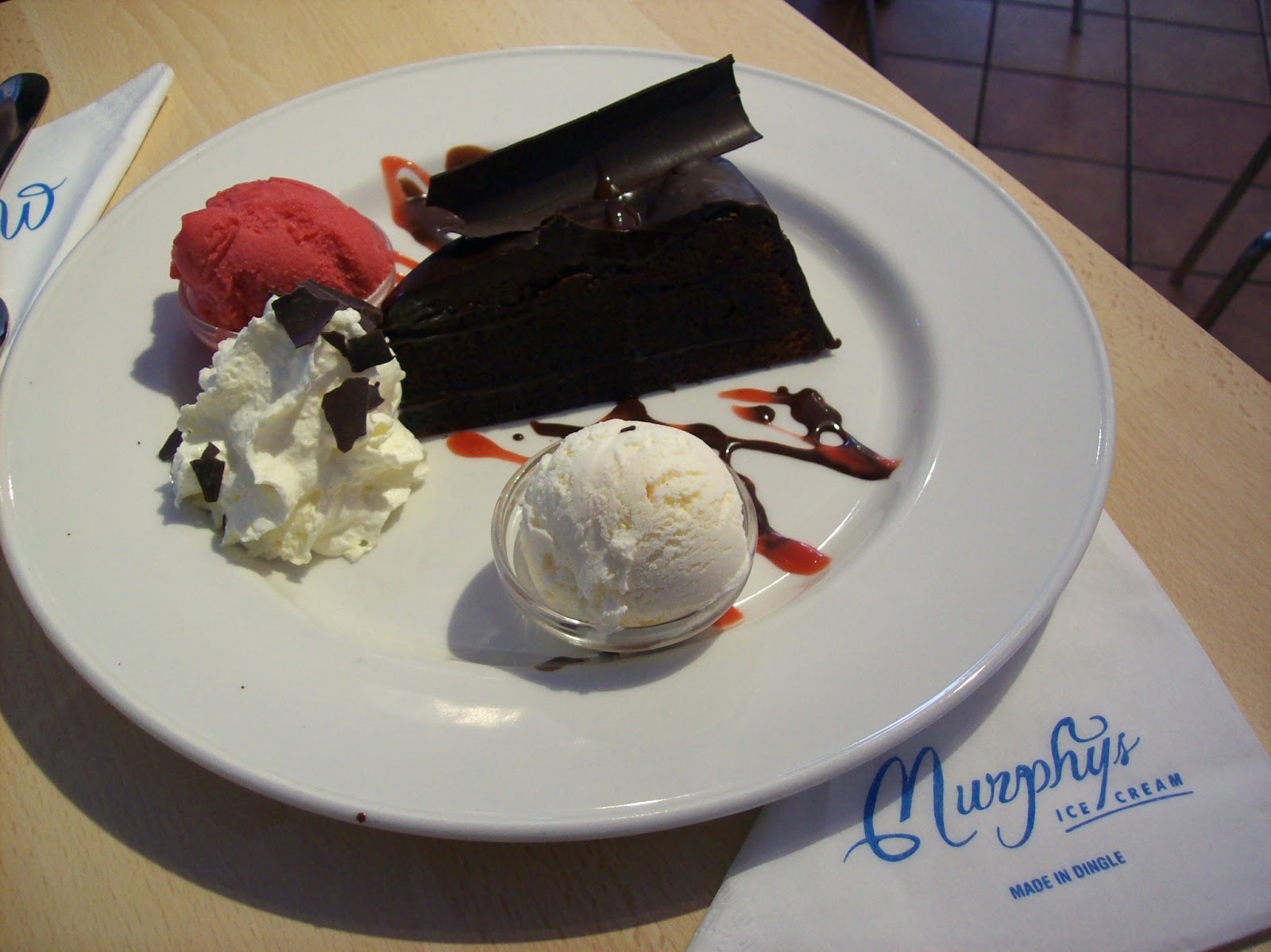
…the world’s most amazing chocolate cake! Murphy’s is an Irish ice cream/sweets shop that makes absolutely the best chocolate cake in the world. If you’re ever in Ireland, find some. It’s an especially good way to forget about being saddle-sore. 
I still miss Ireland some days. Especially when I think about what I was doing on this day two years ago: editing my senior project in college. 
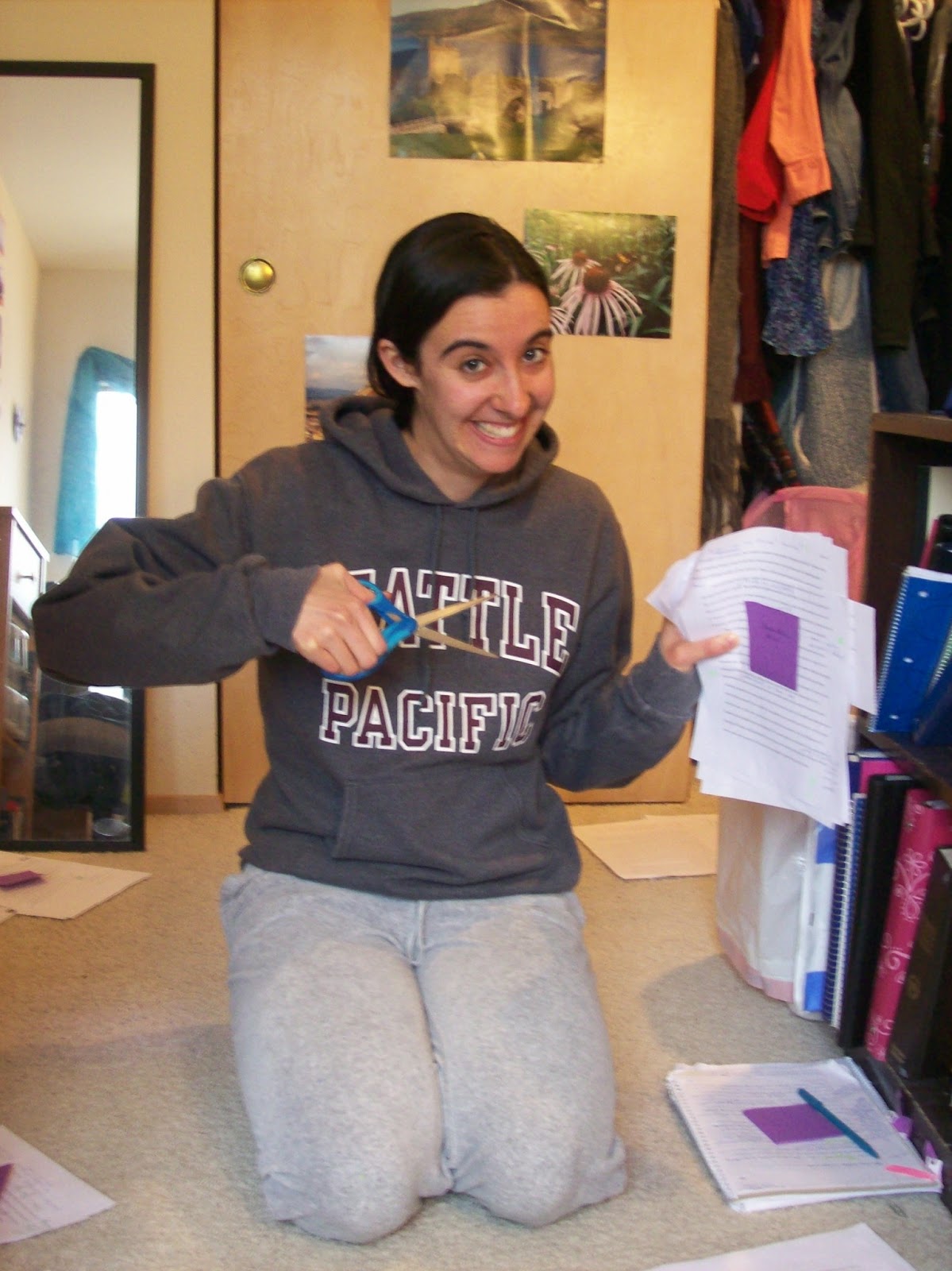
With scissors. Helps rustle up the necessary ruthlessness. No better way to visualize transposals or deletions. I also think I killed an entire rainforest’s worth of post-it notes. But I graduated!
One year ago, I was…

…at my desk, finishing the second draft of my novel. I’m now partway through the fourth draft, which (I hope) will be the last. Maybe this novel will see the light of day before I start getting a senior discount on my office supplies. 
And today, I am here, typing up this blog post:
Freelance life may not often take me across the world on exciting adventures. I don’t often find myself bolting up hills on a runaway horse or violently editing a story with scissors. It’s not every day I get to celebrate the accomplishment of a completed novel draft. But my imagination doesn’t starve. And that is a blessing.
What do you see when you look back at this day in past years?

Running

I don’t love running. Really, exercise in general doesn’t thrill me, with the exceptions of hiking and ballroom dancing.

Image courtesy of stock.xchng and sundesigns

But I do it, at least sometimes, because I know it’s good for me.

And ironically, it’s taught me some things about life.

Pace 

Image courtesy of stock.xchng and iwanbeijes

You run differently for a 100-meter dash than you do for a 2-mile loop. A 26-mile marathon is a different skill entirely. You have to know in advance how far you’re planning to go, then pace yourself accordingly. At the Olympics, the long-distance “run-walk” stride may look slow, but you know those runners are going to last til the end. Some efforts in life are short-term and you give your utmost for a few hours, days, or weeks, knowing you can then flop down, exhausted. But if you’re going to last and continue having resources to give over the long-term, sometimes that means curbing your pace, conserving your energy.

Rest

Image courtesy of stock.xchng and wordvt

When I first started my running route through my neighborhood, I made it my goal to jog to the top of the hill without stopping. I made it, but then I stood at the top, bent over and gasping for breath, for at least five minutes. My lungs burned, my calves burned, and by no means did I want to run anywhere else after that. But a few weeks ago, as I started getting tired and sore halfway up the hill, I…stopped. Realized I didn’t have to achieve high marks on my imaginary goal. I listened to my pain, stopped to catch my breath, then ran on to the top feeling good and ready to continue (like pacing, rest is an element of long-term survival ). I realized that I didn’t have to wait until I was completely exhausted and feeling horrible to take a long rest. I could take a short one when I just felt tired. And then I could continue on with energy and a good attitude.

Thanks

Image courtesy of stock.xchng and MeiTeng

When running, there are two possible things to think about: the pain, or everything else. I can focus my mind on my screaming calves and how hard my heart is hammering, or I can enjoy the blue sky and the quiet places my routes take me. Sometimes even my body’s exertion is a cause for thanksgiving–legs that can move, lungs that can fill with clean air, eyes that can see the beauty around me. The act gives me a rush of adrenaline, helps me find the good even in an activity I don’t love.

Have you learned any life lessons from running? From any form of exercise? 


Wandering Bards

Okay. Before you read any further, stop! And click on this link
That’s a recording of my most influential college professor, Dr. Luke Reinsma, reading the Prologue of The Canterbury Tales–in Middle English. 
Whan that Aprille with his shoures soote
The droghte of Marche hath perced to the roote…
That cadence takes me back to cozy firesides in the British Isles, where I was studying abroad three years ago. (Three years! How is that possible?) 
Assigned to read The Canterbury Tales in Middle English for our Medieval Literature class, most of my classmates and I felt overwhelmed. Middle English is similar enough to modern English that it can mostly be understood–but it takes a lot of effort. Medieval non-comprehension set in. Frustration set in. 
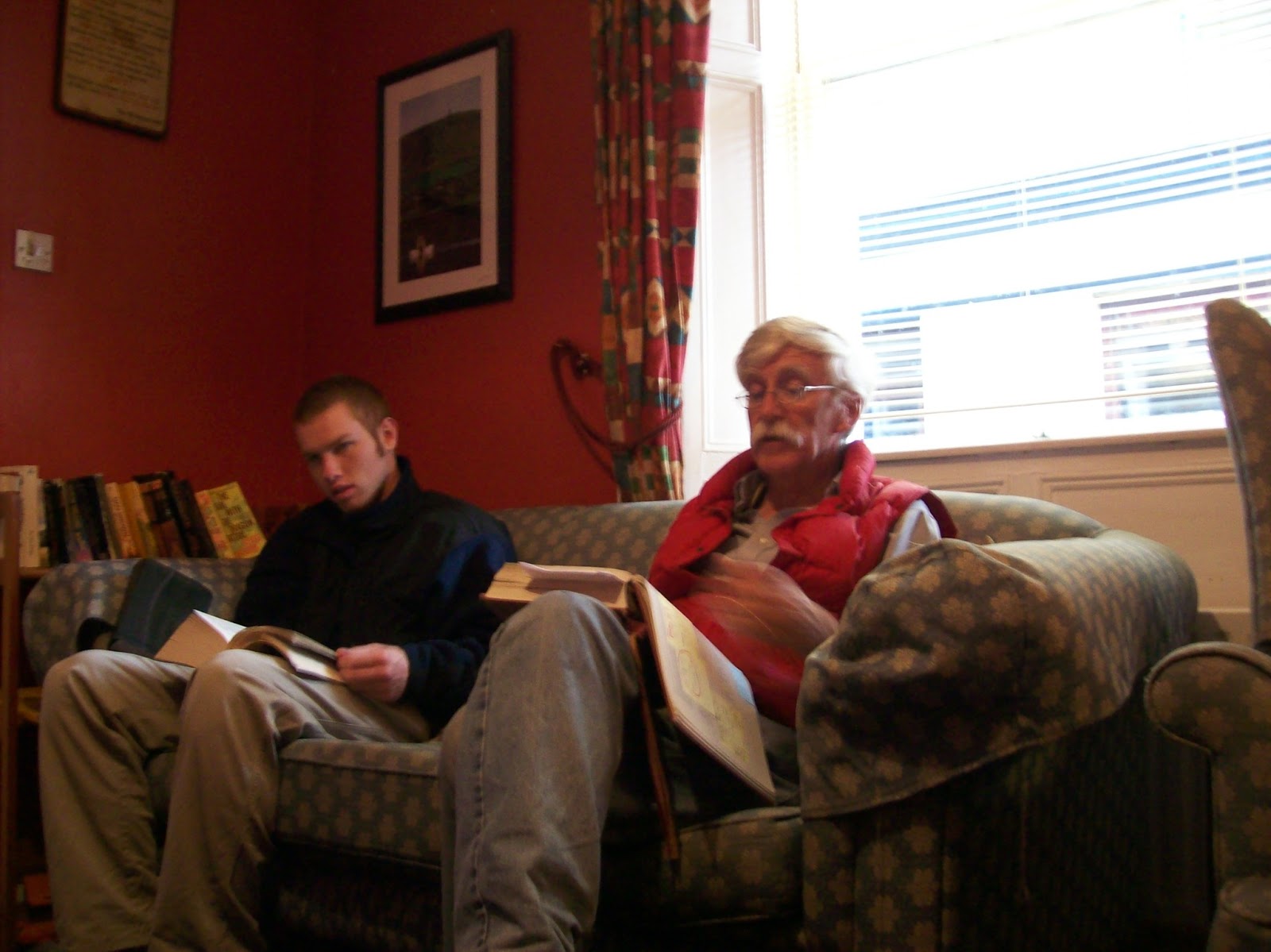
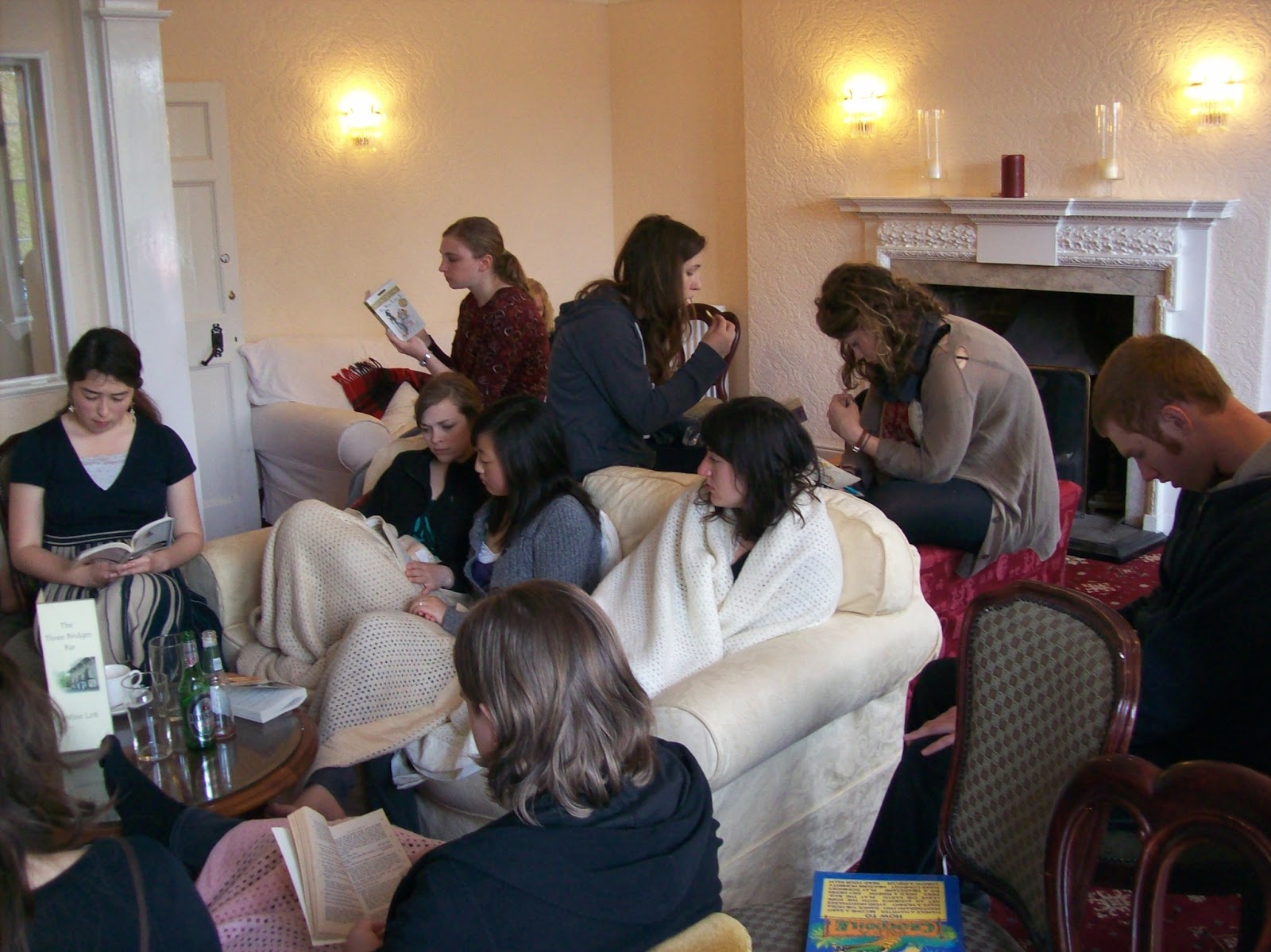
And so Dr. Reinsma began hosting semi-weekly reading sessions. His background is in medieval literature, and he reads fluently in Middle English. And so we students would sprawl all over hostel couches, chairs, benches, carpets (sometimes beside an English fireside so quaint it looked like a painting) and listen to The Professor read. 

It’s amazing what reading aloud can do for your appreciation of books. One of my earliest memories of literature is hiding under the couch cushions when my parents got to the part about Black Riders in The Fellowship of the Ring. It was a rite of passage when I got to take a turn in intoning the passages of Little House on the Prairie. And even in college, as an adult living in another country for three months, having The Professor read aloud took me back to that childhood place. 
A human voice reading does not just transmit information–it conveys experience, wisdom, and a passion for life. We learn from being read to, but it’s much more than an academic exercise. The vocal rhythms whisk us back to a time when wandering bards passed down ancient traditions–history, legend, theology–through oral song and story. 
To read aloud from a book proclaims your investment, both in the book and in the person being read to. Now that I am an adult, reading aloud to my students is one of my favorite parts of our lessons–getting to use my voice and presence to bring alive the literature I believe in. It’s a manifestation of care through quality time, combined with the wisdom and learning contained in the book itself. 
Though The Canterbury Tales may never be my favorite work of literature, listening to the recording of it today brought tears to my eyes. Much more than a homework assignment, reading aloud became a memory. 
Do you ever read aloud? Have any special memories of someone reading to you? 

Imagine

Lately, my lunchtime reading (out of the enormous stack) has been the book Imagine by Jonah Lehrer. It’s a fascinating investigation into the conditions under which creativity occurs. While the book has attracted some bad press recently, the main messages ring true with my own experience.

I’ve been thinking a lot about creativity lately, because my novel is chugging slowly toward completion. I’m now in the midst of a 4th (and hopefully final!) draft of this 4 1/2-year project, so fostering the conditions under which creativity can blossom is a major preoccupation. While I may not be as scientific about it as Jonah Lehrer, I do have a few favorite ingredients for effective creative work.

First ingredient: chocolate. Chocolate makes everything better. Especially if it also has coffee in it!

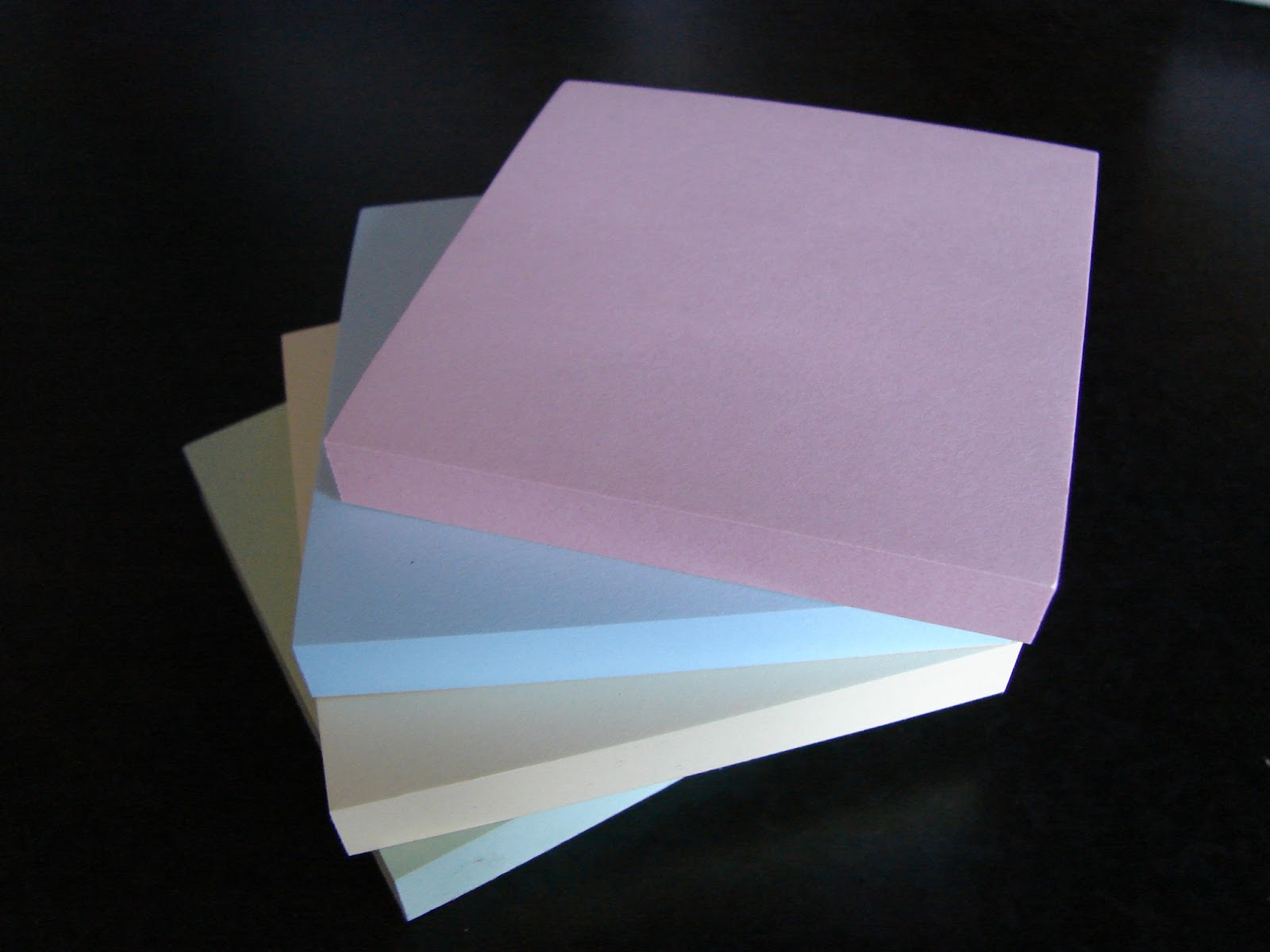
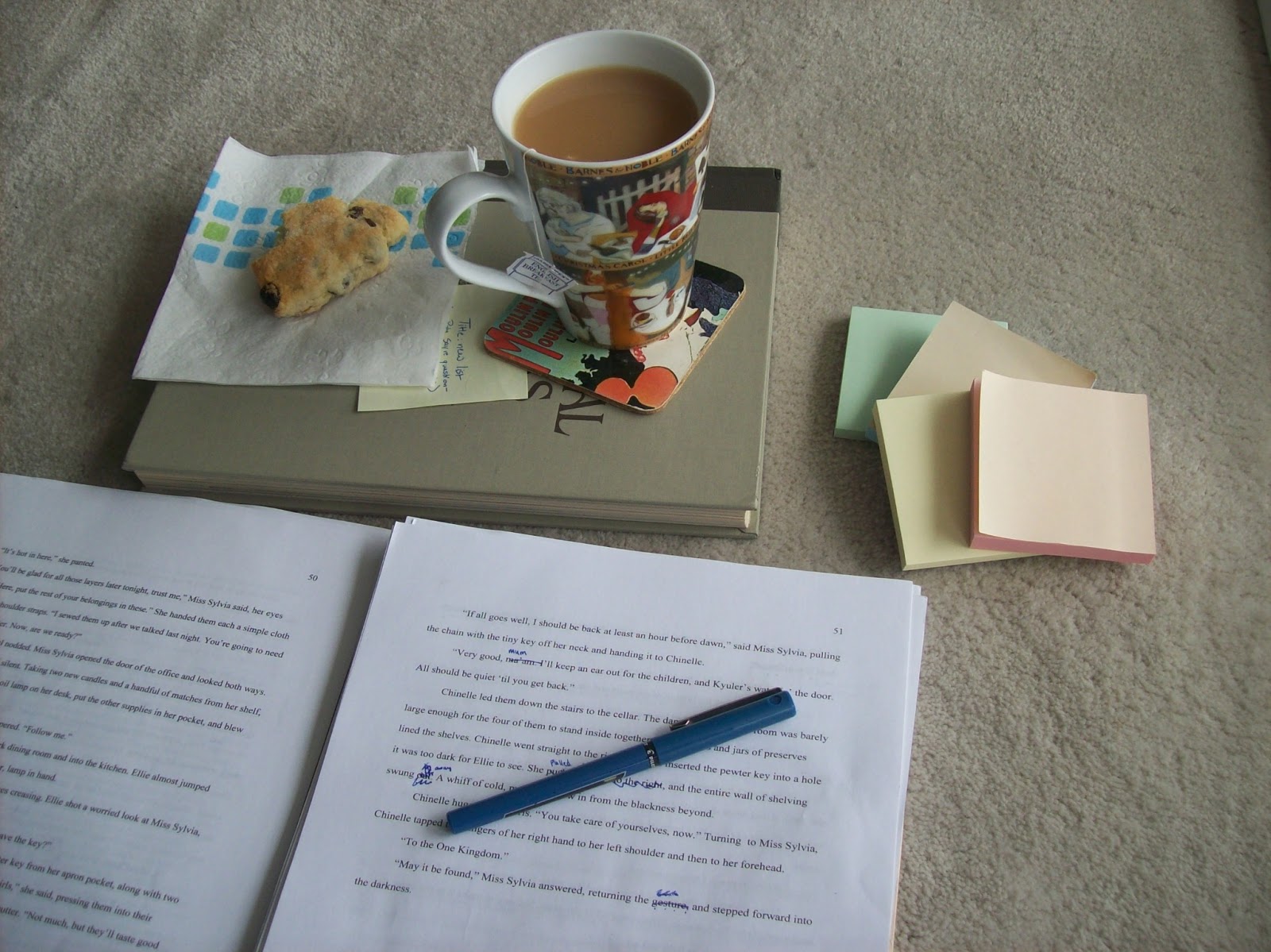
Second ingredient: post-it notes. Definitely multicolored (although I’ve heard rumor that the yellow ones are the stickiest). I’m currently using them to color-code my revision notes: pink for introduction, green for body, blue for conclusion, yellow for characters. I use so many that I should probably buy stock in the post-it note company.

Third ingredient: English tea. Yesterday I even got lucky and found a scone to go with it. Tea, scone, post-its, favorite pen, and double-spaced manuscript. Perfect recipe for a productive novel-writing afternoon. 

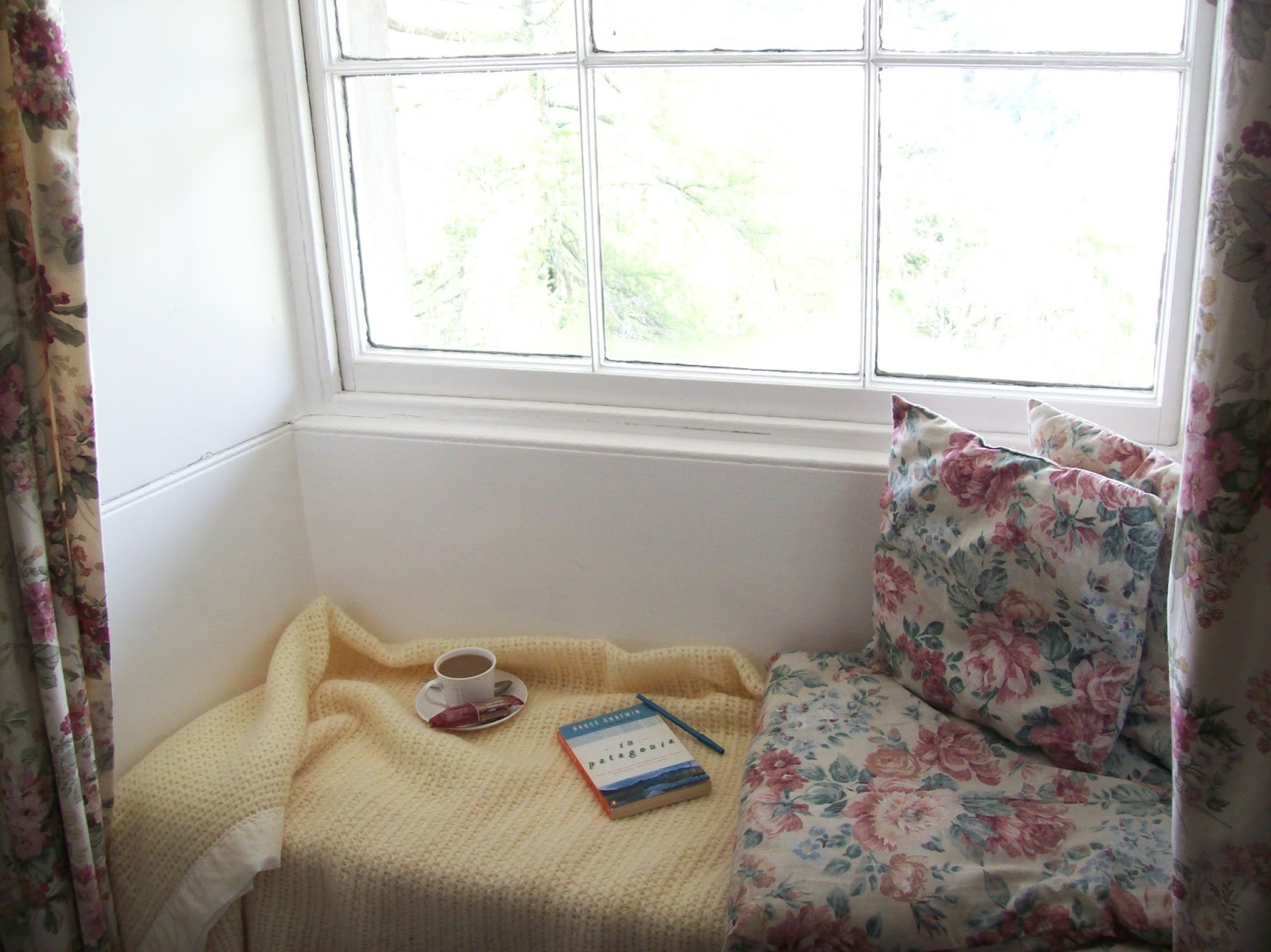
I must have picked up this habit while I was in Britain. I never even liked black tea until I drank it in a window seat overlooking the rugged Welsh countryside. With a book, of course. (That’s Bruce Chatwin’s In Patagonia, if you’re curious.)

Of course, I don’t take pictures of the long hours I spend slouched in my office chair, or the late nights when I have to push up my eyelids to keep them open. The ones pictured here are the nicer moments. But they’re important to the creative process. Says Lehrer:

“This sort of mental relaxation makes it easier to daydream and pay attention to insights; we’re less focused on what’s right in front of us and more aware of the possibilities simmering in our imaginations.”

I’ll buy that.

What are the ingredients of your creative process? 

When I Grow Up, I Want to Be Everything

Did you do one of these posters in kindergarten?
I did. I remember it well. 
In the bottom left-hand corner was a space to write what you wanted to be when you grew up. The walls of the classroom were papered with posters of kids who wanted to be firemen OR police officers OR ballerinas. 
I wanted to be ALL of those things. And ALL the rest of the things. In fact, I remember one of my first existential quandaries: if there are only seven days in a week, how on earth will I find enough time to be ALL the things I want to be when I grow up? 
The solution, of course, was to have a different job every day of the week. Phew. Solved that one. I would just be an astronaut Monday, a teacher Tuesday, a farmer Wednesday, etc. (Yes, farmer was one of my kindergarten career choices. I blame it on Laura Ingalls Wilder.)
My childhood fantasy
Well, some life happened and I discovered that I don’t particularly like heights, lesson planning, or cow poop. That narrowed down the career choices substantially. Plus, majoring in EVERYTHING in college would have taken me a little more than four years. 
But little did I know that some weeks, I would get my kindergarten wish. 
Like this week, for example. 
Most weeks of my life are pretty interesting. For work, I juggle a balance of tutoring/proofreading/blogging/copy editing/novel writing, and I like doing all those things. But last Wednesday, I added a new job to the mix: knit modeling.
My super-creative friend Audry asked me to model one of her creations for the top-secret book she’s writing. It turned into an all-day adventure that blew desk jobs out of the water. First, we got to ride in the golf cart. Move over, Mr. Toad. 

There were also the wild animals–er, interesting features of the landscape. (The heap of sticks on the left, apparently, is a wood-rat nest. The thing in the purple sweater is anybody’s guess.)
Photo courtesy of Audry Nicklin

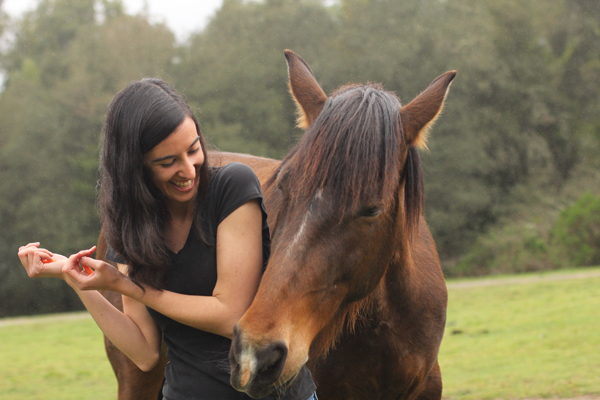
We needed to find horses for the photo shoot, which ended up entailing half an hour of trekking through backwoods trails (don’t worry, we had permission). But when we found them, it was well worth it. One of them tried to eat the golf cart, but this one just wanted carrots. I ended up getting horse cuddles in the bargain. 
Photo courtesy of Audry Nicklin

Laura Ingalls would have been proud. 


Does your line of work ever throw you surprise adventures?

(P.S. Audry wrote up her own take on the day. To hear her side of the story, click here.)

Bookmarks

Complementing my love of reading is my love of reading gadgets.

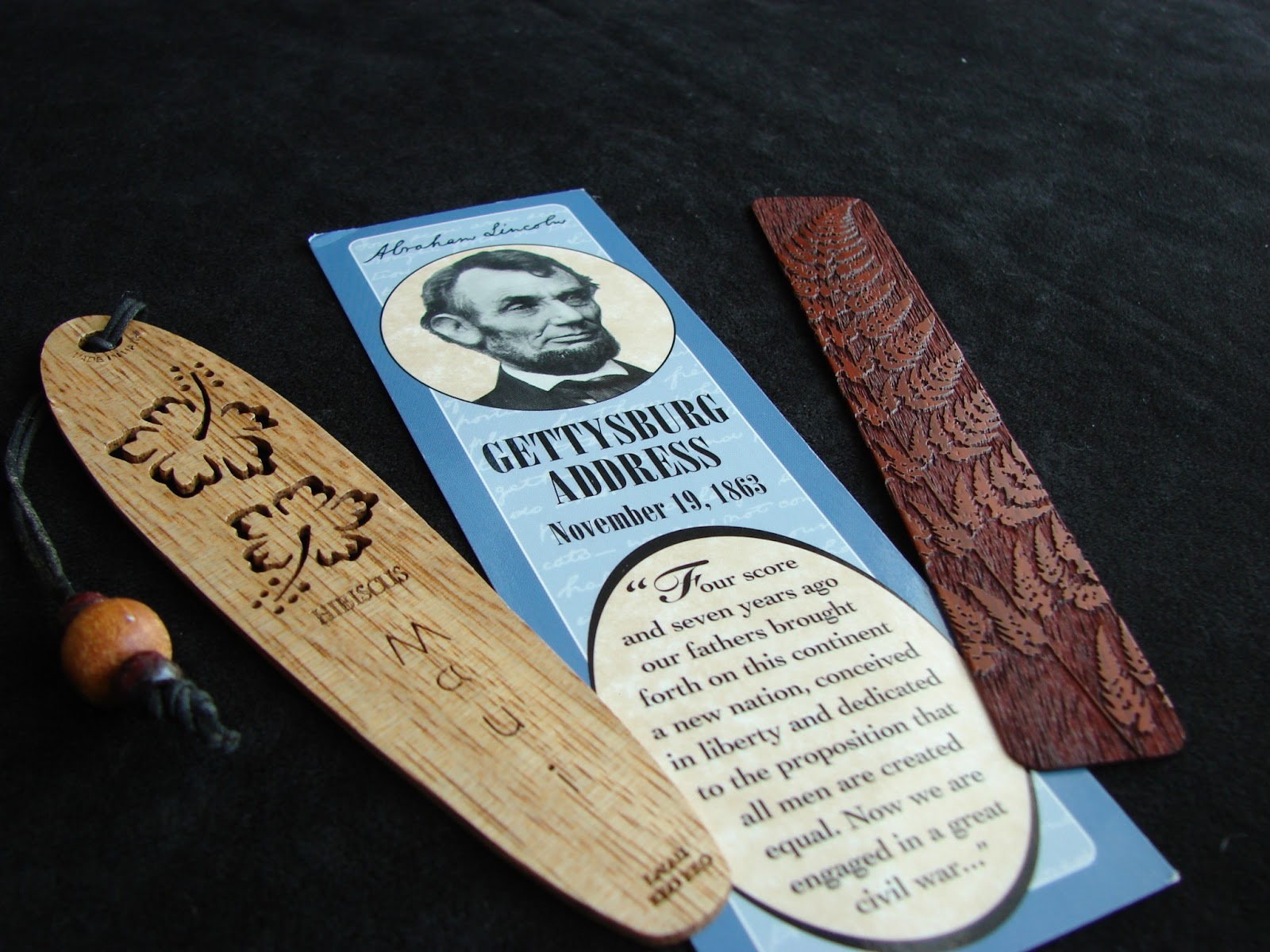
Most notably, bookmarks. I keep a ziploc baggie of them, and when I start a new book, sometimes it’s a real, time-consuming task to choose just the right bookmark to pair with it. Hey, people spend that kind of time on wine/cheese pairings. I think this is at least as legitimate.

Bookmarks are also my souvenir of choice when I travel. I couldn’t hunt up some of the more exotic ones, because they’re dutifully marking a page somewhere (since I’m reading so many books). But by my way of thinking, bookmarks are a) portable, b) memorable, and c) genuinely useful. Unlike a touristy keychain, baseball cap, or stuffed bear. These are from Maui, Gettysburg, and the Avenue of the Giants here in California.

Below are some of my favorites from Britain. L-R: the Bodleian Library, Oxford *swoon*; Edinburgh, Scotland; and Trinity College, Dublin (home of the Book of Kells).

I also have some bookmarks from other people’s travels. They’re presents that get used often but never worn out. They make me feel like I’ve traveled to Nicaragua, Honduras…and maybe even Middle-Earth.

Do you have a favorite bookmark? What does it look like? OR: locate the weirdest bookmark you can find on the Internet and link to it in the comments!

So Many Books…

So…I did it again. 
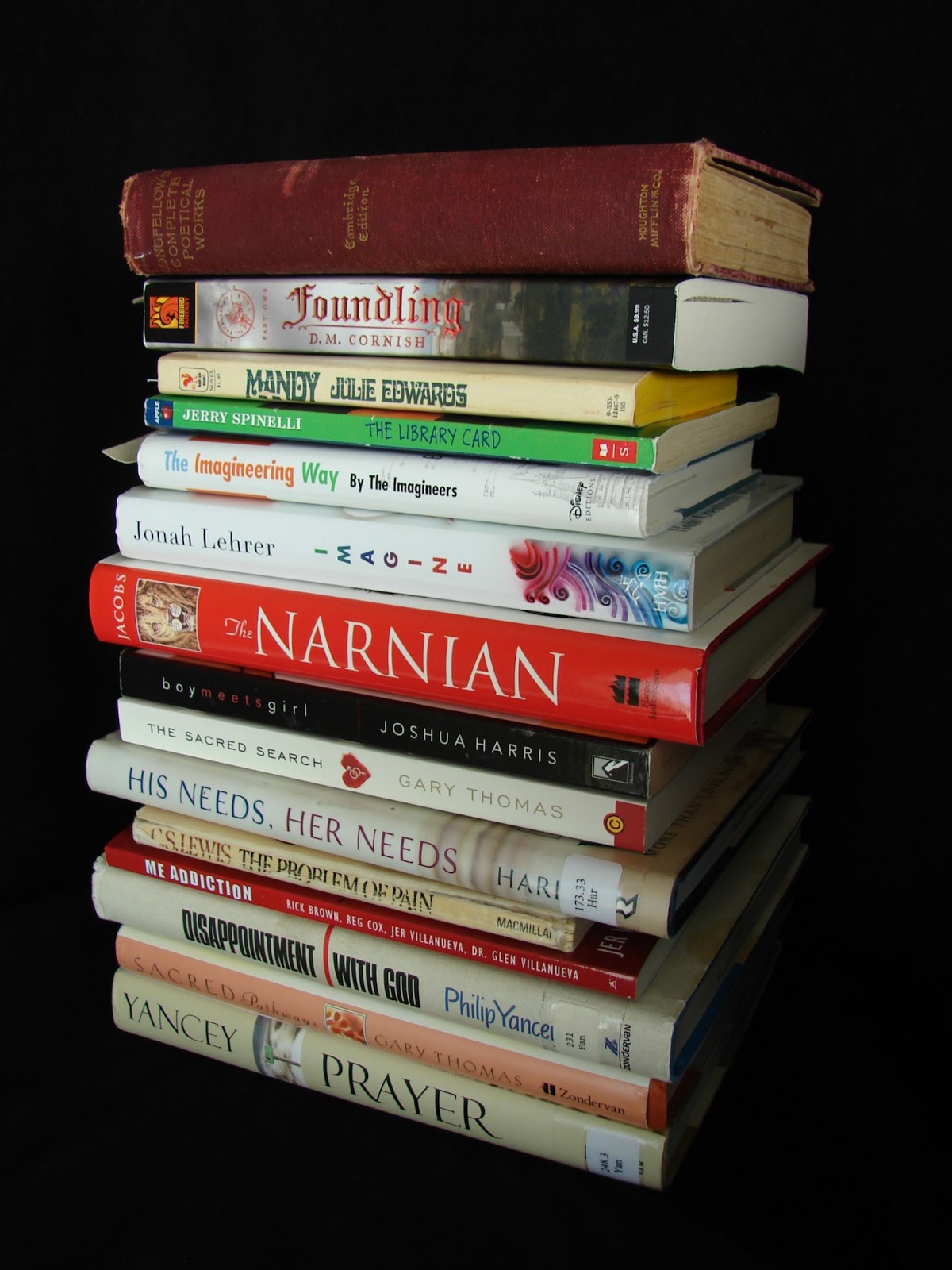
Yes, I am reading all of these books. At the same time. Count them. There are fifteen. One-five. 
Nearly 16 months ago, I wrote this post, getting my knickers all in a twist over reading *gasp* seven books at a time! Today, my past self would be shocked and probably horrified. Fifteen is a lot of books. 
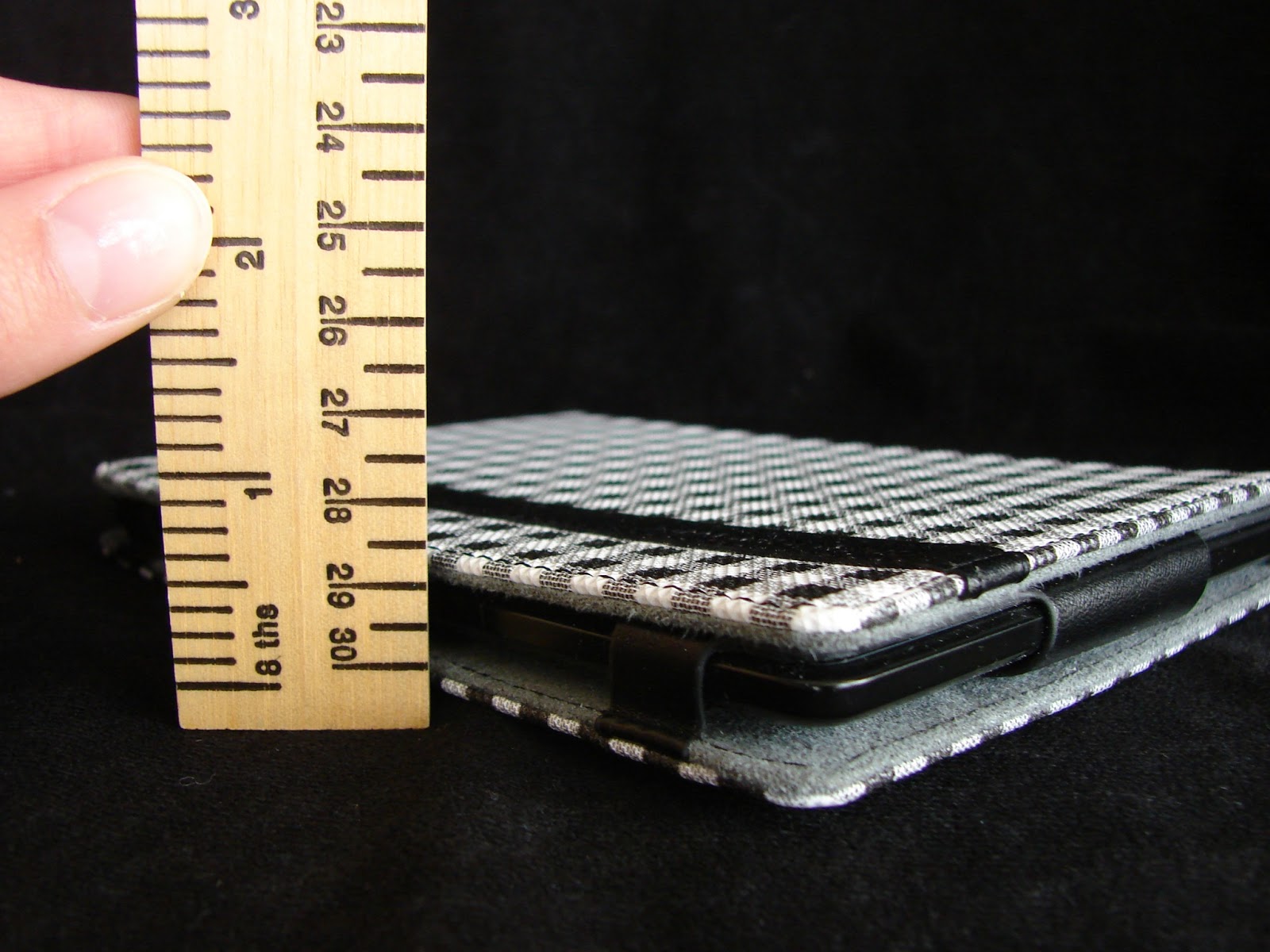
It’s also a lot of inches. Maybe I should start measuring my reading that way. 

When I’m reading this many books at a time, my progress advances infinitesimally. Some of these titles have been on my bookshelf for a year. 
Tsk, tsk. So read fewer books, you say. 
But which ones to choose? 
For spiritual growth, I’ve got Philip Yancey’s Prayer and Disappointment with God, Sacred Pathways by Gary Thomas, C.S. Lewis’s The Problem of Pain, and Me Addiction by Rick Brown &c. 
On the topic of relationships, there’s His Needs, Her Needs by Willard F. Harley Jr., Sacred Search by Gary Thomas, and an old favorite: Boy Meets Girl by Joshua Harris. 
Halfway there. 
Now, for creative inspiration, we have Alan Jacobs’s biography The Narnian, about C.S. Lewis. There’s The Imagineering Way, by Disney’s team of Imagineers. And a particularly fascinating one called Imagine by Jonah Lehrer, about the process of creativity (a great loan from my knit-designing friend Audry). 
Some books for discussion with my tutoring students: The Library Card by Jerry Spinelli and Mandy by Julie Andrews Edwards (yes, the actress of Mary Poppins and The Sound of Music also wrote a children’s book!). 
And finally, some just for fun: Foundling by D.M. Cornish and “The Courtship of Miles Standish” in a beautiful 1893 edition of Longfellow’s collected works (a find from my latest library sale). 
Oho. But wait, there’s more. 
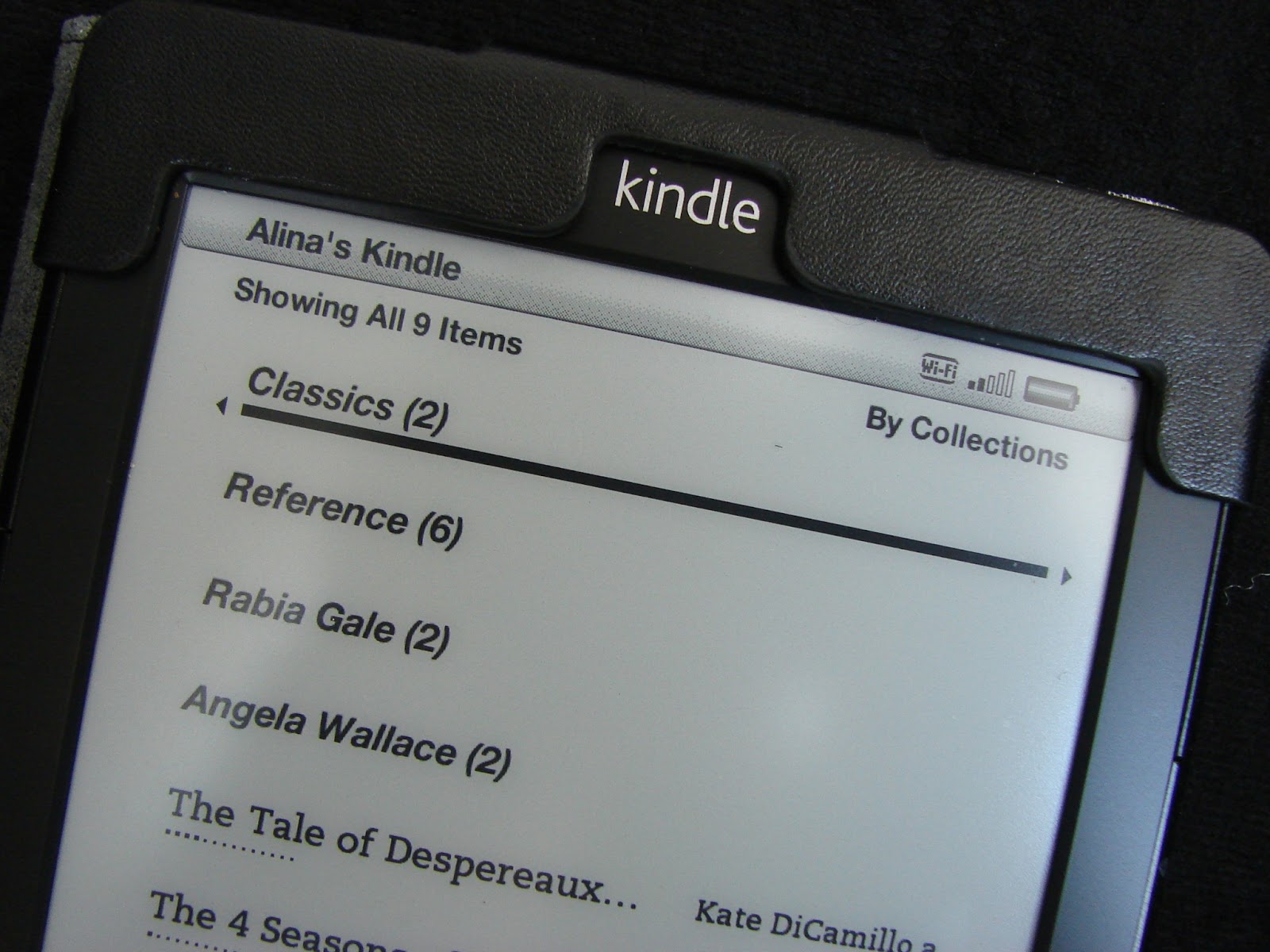
Now I can read even more  books at a time. Being the die-hard fan of paper books that I am, I held out a long time on an e-reader, but finally caved when my family gave me a Kindle for Christmas. Now I realize that, while I may always be partial to the smell and feel of paper, I don’t have to choose which method to love.
More methods of reading means more books 🙂 

Kindle reading does come up smaller by the inches method, but I’ve already got more in-progress titles on here, including Dreamwalker and Mourning Cloak by writer friends Angela Wallace and Rabia Gale
*Sigh* Maybe I need this on my wall: 
Library Wall Clock So Many Books, So Little Time

How about you? What are you reading? 


Life

March is here, and my camera and I see the world returning to life in small and miraculous ways. 

In little leaves whose pale flush of chlorophyll hasn’t fully waxed to green…

…buds so fresh out of the branch that they’re still sticky…

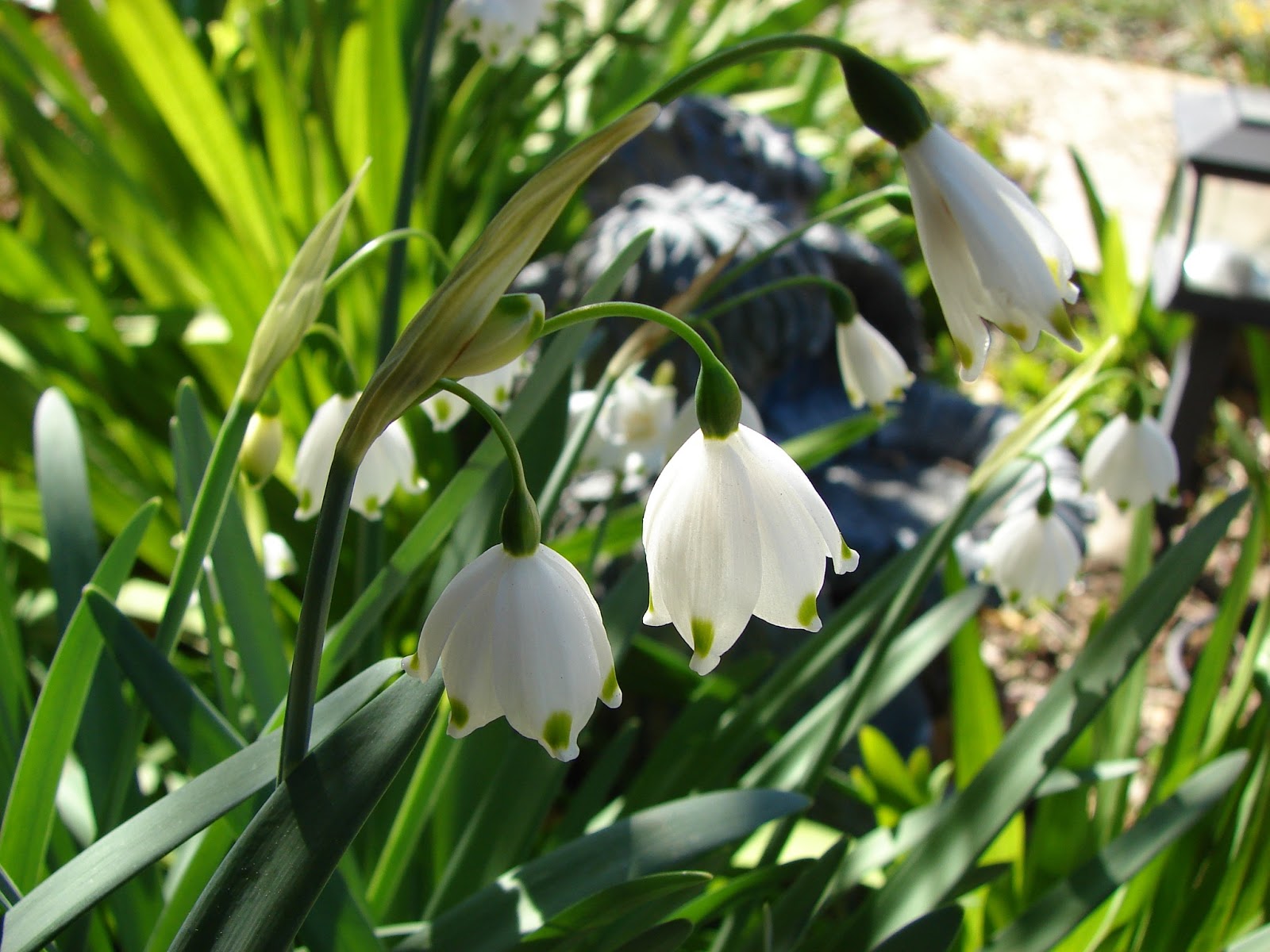
 …delicate lily flowers like drooping bells, blooming from sleeping underground bulbs…

…tiny rose leaves still backed with soft, silvery hairs… 

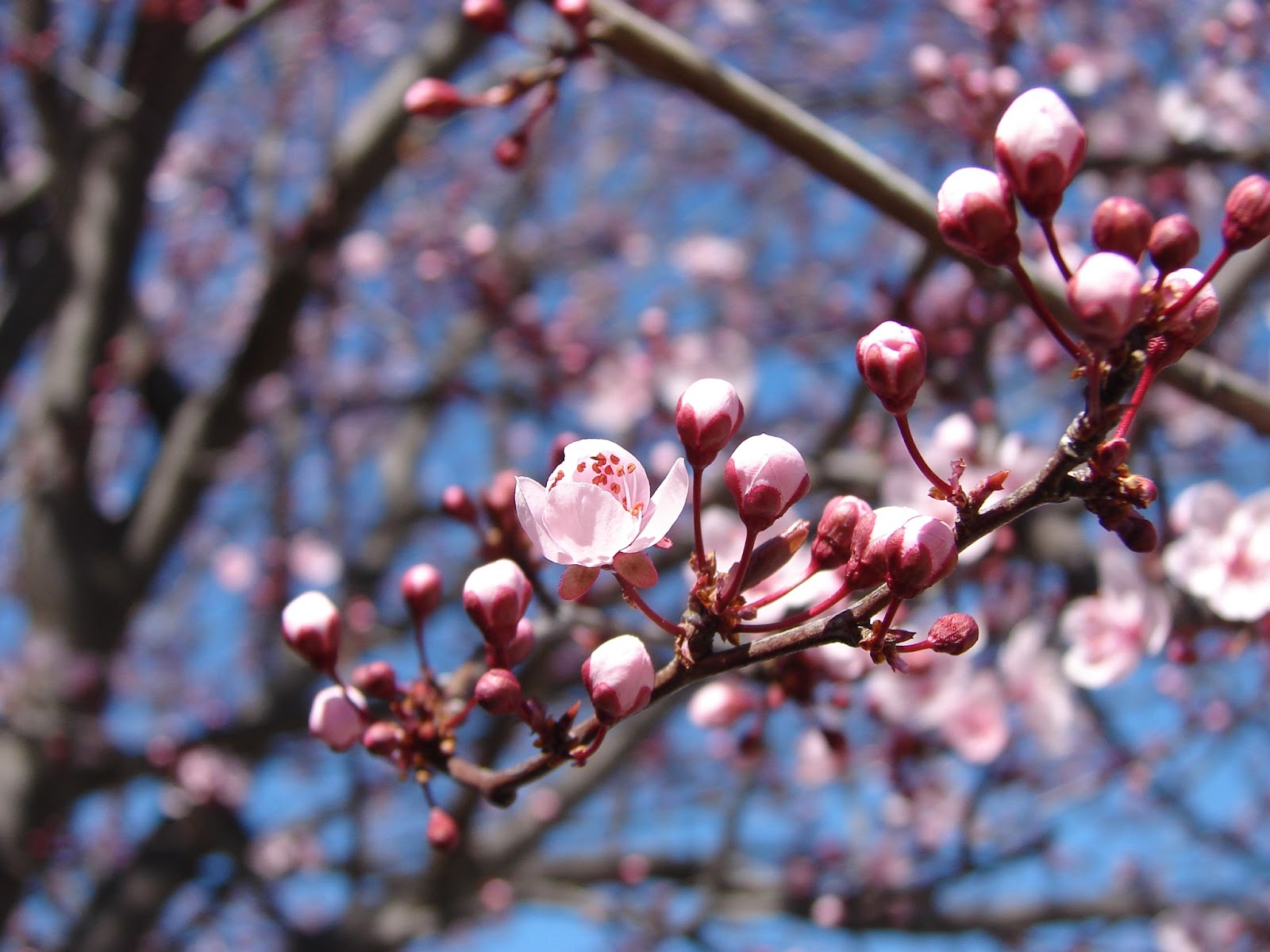
…plum trees blushing into plumes of cotton candy, with thousands of fingernail-sized pink blossoms opening at the same time…
See! The winter is past; 
the rains are over and gone.
Flowers appear on the earth; 
the season of singing has come.

Long Spoons Living

I once received an e-mail forward telling the story of a fictional tourist who wandered through heaven and hell. I typically don’t much care for forwarded e-mails, often finding them shallow and sappy. This one might be both, but for some reason it stuck with me and came around to mean something deeper.

So the story goes, our tourist arrives in hell and is surprised to see a large table around which is seated a group of people. A  large pot in the middle of the table contains plenty of food for all of them. But the only utensils the people have are spoons, as long as yardsticks, strapped to their arms. As the diners try to bring food back to their mouths, it slips off their long, clumsy utensils, leaving the people starving and emaciated.

Image courtesy of stock.xchng and salsachica

To the tourist’s further surprise, heaven contains almost the same scenario: table, pot of stew, long spoons. But the people there are well-fed and happy, laughing and talking as they share the meal. Why? Because they are using their long spoons to feed each other, reaching across the table to supply one another’s needs, and in turn having other people meet theirs.

Giving is a two-way street. Growing up in a community-oriented family environment, I guess I never really questioned having my needs met by them or my responsibility to contribute to the family. The needs at stake weren’t only food, shelter, and clothing, but also love, community, and affirmation. When I went to college, I took this mentality with me: your roommates, friends, classmates, even professors, are human beings who deserve your respect and need your care. It works excellently when people in community with each other share this perspective.

Image courtesy of stock.xchng and alexkalina

However, not all people do. In college especially, I met some people who were intent on using their spoons to feed only themselves, no matter how clumsy and inefficient the effort. Many were single, reasonably affluent, living on their own for the first time, and absorbed in their own education experiences. Their resources of time, money, energy, were completely consumed by activities they found fun, their own personal goals, or relationships that got them ahead. There was nothing left over to give to others. I, too, tried feeding only myself with my spoon for a while, and it left me feeling tough, yes, self-sufficient, yes, but still gnawingly hungry.

Image courtesy of stock.xchng and mzacha

But constantly feeding other people with your spoon while they continue to feed only themselves is a recipe for straight-up starvation. Long-term, one-sided sacrifice and service lead to burnout and loneliness. Giving to your community is a good thing. In fact, in the short term, sometimes the best and most needed giving is to people who can’t give back. But if you’re constantly feeding others and no one reaches out to feed you back, you’ll end up malnourished, not to mention exhausted and probably disillusioned.

Image courtesy of stock.xchng and LoganCale

Successful, mutual relationships are about people using their long spoons to feed each other–parents and children, husbands and wives, church communities, friends. When you look at your resources and, instead of using them all up on yourself, sacrifice some for someone else, you risk not having enough. But the most satisfying feeling in the world is when the math doesn’t add up. You give away something you want or need (affection, time, money, energy, etc.). But instead of being left hungry, someone else comes in and provides for your deficit, making up the difference.

Image courtesy of stock.xchng and juliaf

It’s called love, I think. It’s looking at this enormous, awkward spoon you’ve been given to eat with and, instead of seeing it as an ill-formed impediment because the goal is feeding yourself, seeing it as the perfect tool because the point is to feed someone else.