Imagine

Lately, my lunchtime reading (out of the enormous stack) has been the book Imagine by Jonah Lehrer. It’s a fascinating investigation into the conditions under which creativity occurs. While the book has attracted some bad press recently, the main messages ring true with my own experience.

I’ve been thinking a lot about creativity lately, because my novel is chugging slowly toward completion. I’m now in the midst of a 4th (and hopefully final!) draft of this 4 1/2-year project, so fostering the conditions under which creativity can blossom is a major preoccupation. While I may not be as scientific about it as Jonah Lehrer, I do have a few favorite ingredients for effective creative work.

First ingredient: chocolate. Chocolate makes everything better. Especially if it also has coffee in it!

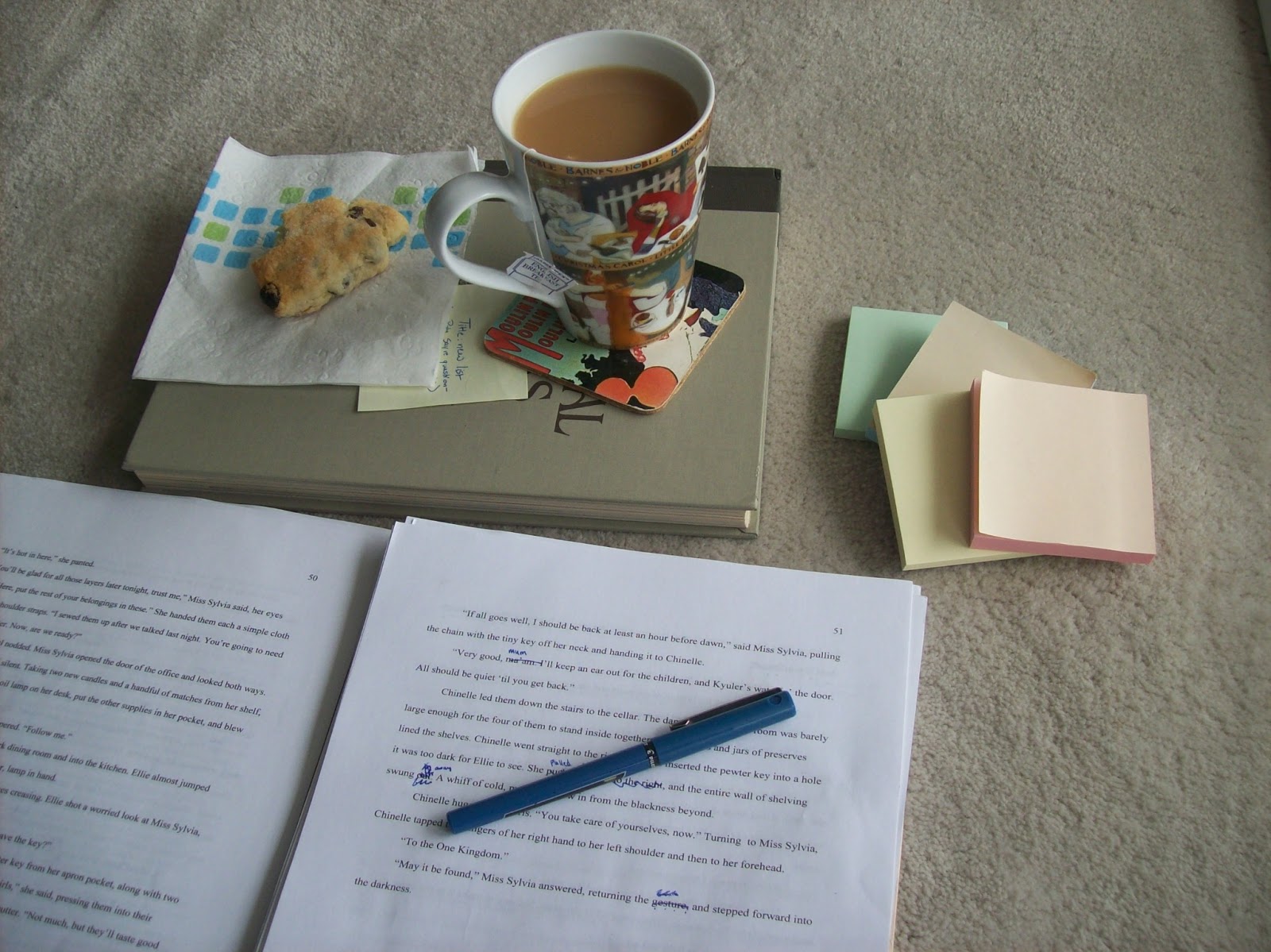
Second ingredient: post-it notes. Definitely multicolored (although I’ve heard rumor that the yellow ones are the stickiest). I’m currently using them to color-code my revision notes: pink for introduction, green for body, blue for conclusion, yellow for characters. I use so many that I should probably buy stock in the post-it note company.

Third ingredient: English tea. Yesterday I even got lucky and found a scone to go with it. Tea, scone, post-its, favorite pen, and double-spaced manuscript. Perfect recipe for a productive novel-writing afternoon. 

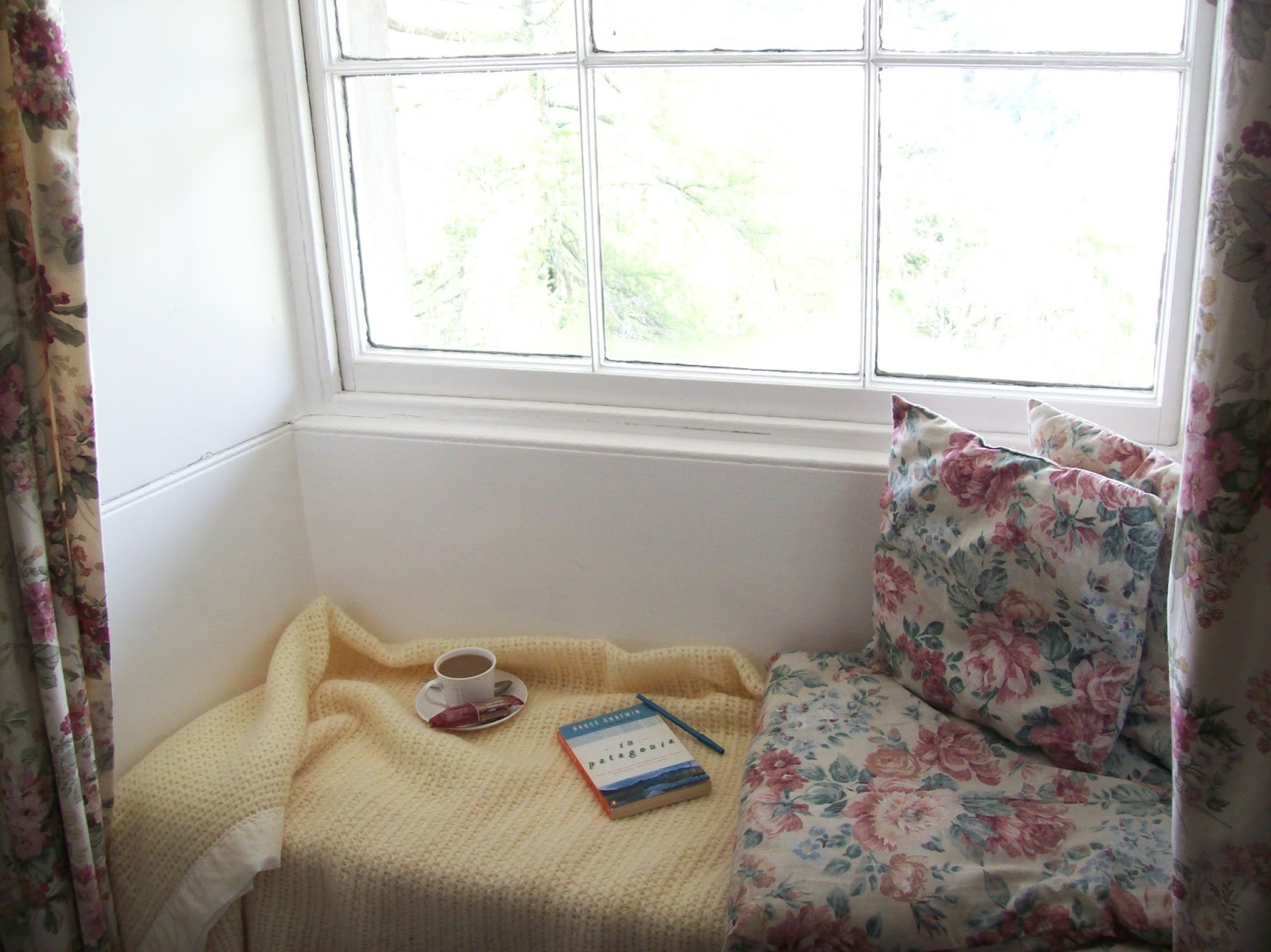
I must have picked up this habit while I was in Britain. I never even liked black tea until I drank it in a window seat overlooking the rugged Welsh countryside. With a book, of course. (That’s Bruce Chatwin’s In Patagonia, if you’re curious.)

Of course, I don’t take pictures of the long hours I spend slouched in my office chair, or the late nights when I have to push up my eyelids to keep them open. The ones pictured here are the nicer moments. But they’re important to the creative process. Says Lehrer:

“This sort of mental relaxation makes it easier to daydream and pay attention to insights; we’re less focused on what’s right in front of us and more aware of the possibilities simmering in our imaginations.”

I’ll buy that.

What are the ingredients of your creative process? 

When I Grow Up, I Want to Be Everything

Did you do one of these posters in kindergarten?
I did. I remember it well. 
In the bottom left-hand corner was a space to write what you wanted to be when you grew up. The walls of the classroom were papered with posters of kids who wanted to be firemen OR police officers OR ballerinas. 
I wanted to be ALL of those things. And ALL the rest of the things. In fact, I remember one of my first existential quandaries: if there are only seven days in a week, how on earth will I find enough time to be ALL the things I want to be when I grow up? 
The solution, of course, was to have a different job every day of the week. Phew. Solved that one. I would just be an astronaut Monday, a teacher Tuesday, a farmer Wednesday, etc. (Yes, farmer was one of my kindergarten career choices. I blame it on Laura Ingalls Wilder.)
My childhood fantasy
Well, some life happened and I discovered that I don’t particularly like heights, lesson planning, or cow poop. That narrowed down the career choices substantially. Plus, majoring in EVERYTHING in college would have taken me a little more than four years. 
But little did I know that some weeks, I would get my kindergarten wish. 
Like this week, for example. 
Most weeks of my life are pretty interesting. For work, I juggle a balance of tutoring/proofreading/blogging/copy editing/novel writing, and I like doing all those things. But last Wednesday, I added a new job to the mix: knit modeling.
My super-creative friend Audry asked me to model one of her creations for the top-secret book she’s writing. It turned into an all-day adventure that blew desk jobs out of the water. First, we got to ride in the golf cart. Move over, Mr. Toad. 

There were also the wild animals–er, interesting features of the landscape. (The heap of sticks on the left, apparently, is a wood-rat nest. The thing in the purple sweater is anybody’s guess.)
Photo courtesy of Audry Nicklin

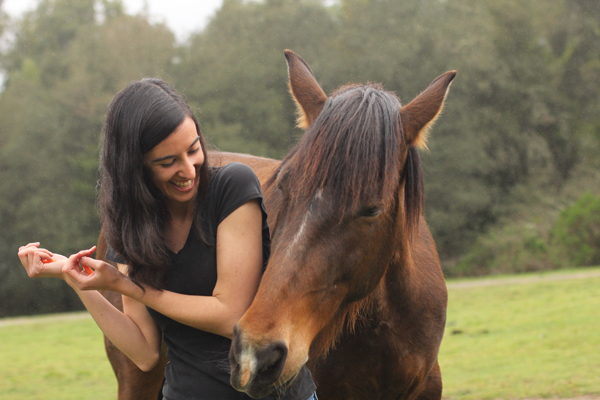
We needed to find horses for the photo shoot, which ended up entailing half an hour of trekking through backwoods trails (don’t worry, we had permission). But when we found them, it was well worth it. One of them tried to eat the golf cart, but this one just wanted carrots. I ended up getting horse cuddles in the bargain. 
Photo courtesy of Audry Nicklin

Laura Ingalls would have been proud. 


Does your line of work ever throw you surprise adventures?

(P.S. Audry wrote up her own take on the day. To hear her side of the story, click here.)

Bookmarks

Complementing my love of reading is my love of reading gadgets.

Most notably, bookmarks. I keep a ziploc baggie of them, and when I start a new book, sometimes it’s a real, time-consuming task to choose just the right bookmark to pair with it. Hey, people spend that kind of time on wine/cheese pairings. I think this is at least as legitimate.

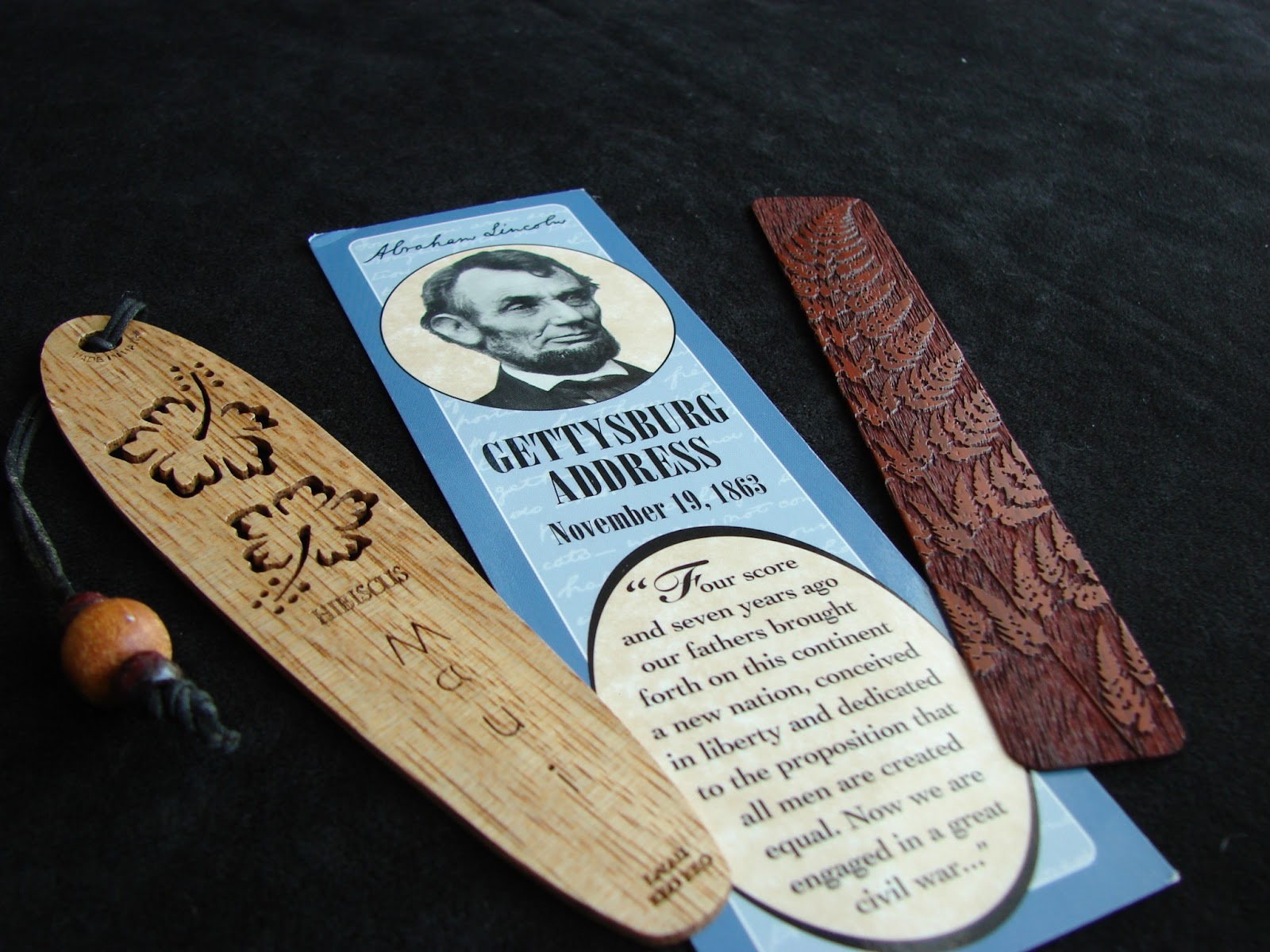
Bookmarks are also my souvenir of choice when I travel. I couldn’t hunt up some of the more exotic ones, because they’re dutifully marking a page somewhere (since I’m reading so many books). But by my way of thinking, bookmarks are a) portable, b) memorable, and c) genuinely useful. Unlike a touristy keychain, baseball cap, or stuffed bear. These are from Maui, Gettysburg, and the Avenue of the Giants here in California.

Below are some of my favorites from Britain. L-R: the Bodleian Library, Oxford *swoon*; Edinburgh, Scotland; and Trinity College, Dublin (home of the Book of Kells).

I also have some bookmarks from other people’s travels. They’re presents that get used often but never worn out. They make me feel like I’ve traveled to Nicaragua, Honduras…and maybe even Middle-Earth.

Do you have a favorite bookmark? What does it look like? OR: locate the weirdest bookmark you can find on the Internet and link to it in the comments!

So Many Books…

So…I did it again. 
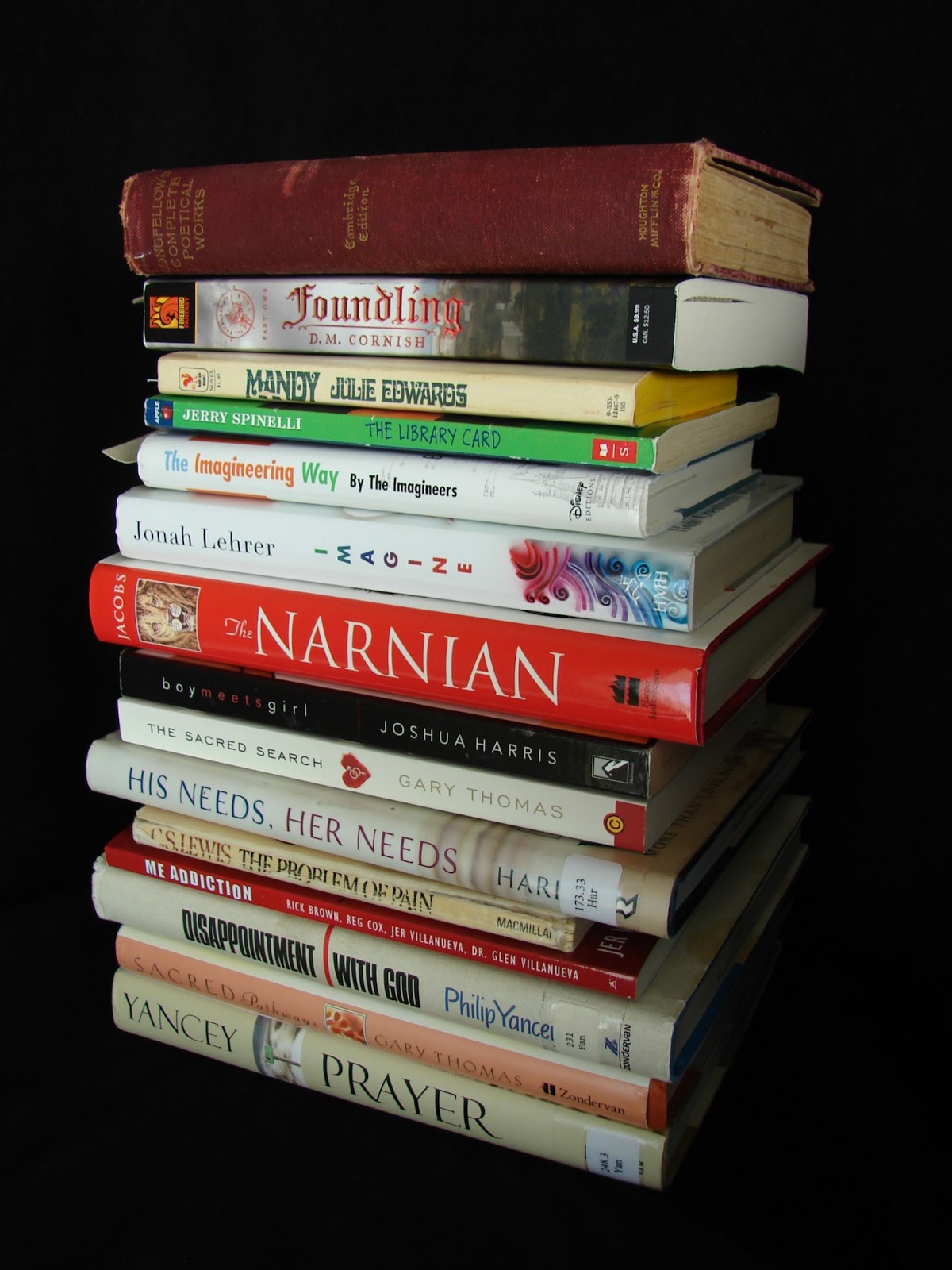
Yes, I am reading all of these books. At the same time. Count them. There are fifteen. One-five. 
Nearly 16 months ago, I wrote this post, getting my knickers all in a twist over reading *gasp* seven books at a time! Today, my past self would be shocked and probably horrified. Fifteen is a lot of books. 
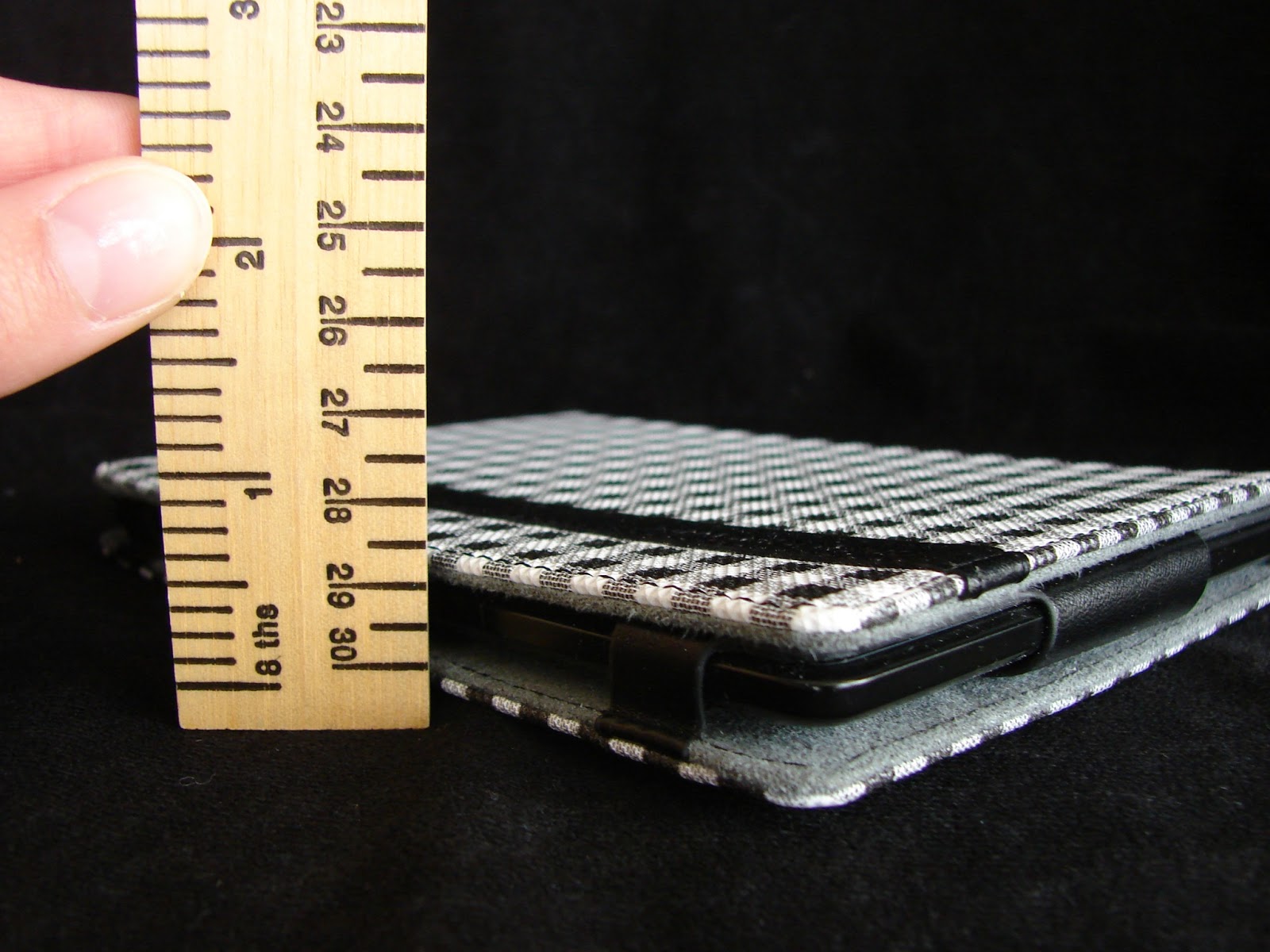
It’s also a lot of inches. Maybe I should start measuring my reading that way. 

When I’m reading this many books at a time, my progress advances infinitesimally. Some of these titles have been on my bookshelf for a year. 
Tsk, tsk. So read fewer books, you say. 
But which ones to choose? 
For spiritual growth, I’ve got Philip Yancey’s Prayer and Disappointment with God, Sacred Pathways by Gary Thomas, C.S. Lewis’s The Problem of Pain, and Me Addiction by Rick Brown &c. 
On the topic of relationships, there’s His Needs, Her Needs by Willard F. Harley Jr., Sacred Search by Gary Thomas, and an old favorite: Boy Meets Girl by Joshua Harris. 
Halfway there. 
Now, for creative inspiration, we have Alan Jacobs’s biography The Narnian, about C.S. Lewis. There’s The Imagineering Way, by Disney’s team of Imagineers. And a particularly fascinating one called Imagine by Jonah Lehrer, about the process of creativity (a great loan from my knit-designing friend Audry). 
Some books for discussion with my tutoring students: The Library Card by Jerry Spinelli and Mandy by Julie Andrews Edwards (yes, the actress of Mary Poppins and The Sound of Music also wrote a children’s book!). 
And finally, some just for fun: Foundling by D.M. Cornish and “The Courtship of Miles Standish” in a beautiful 1893 edition of Longfellow’s collected works (a find from my latest library sale). 
Oho. But wait, there’s more. 
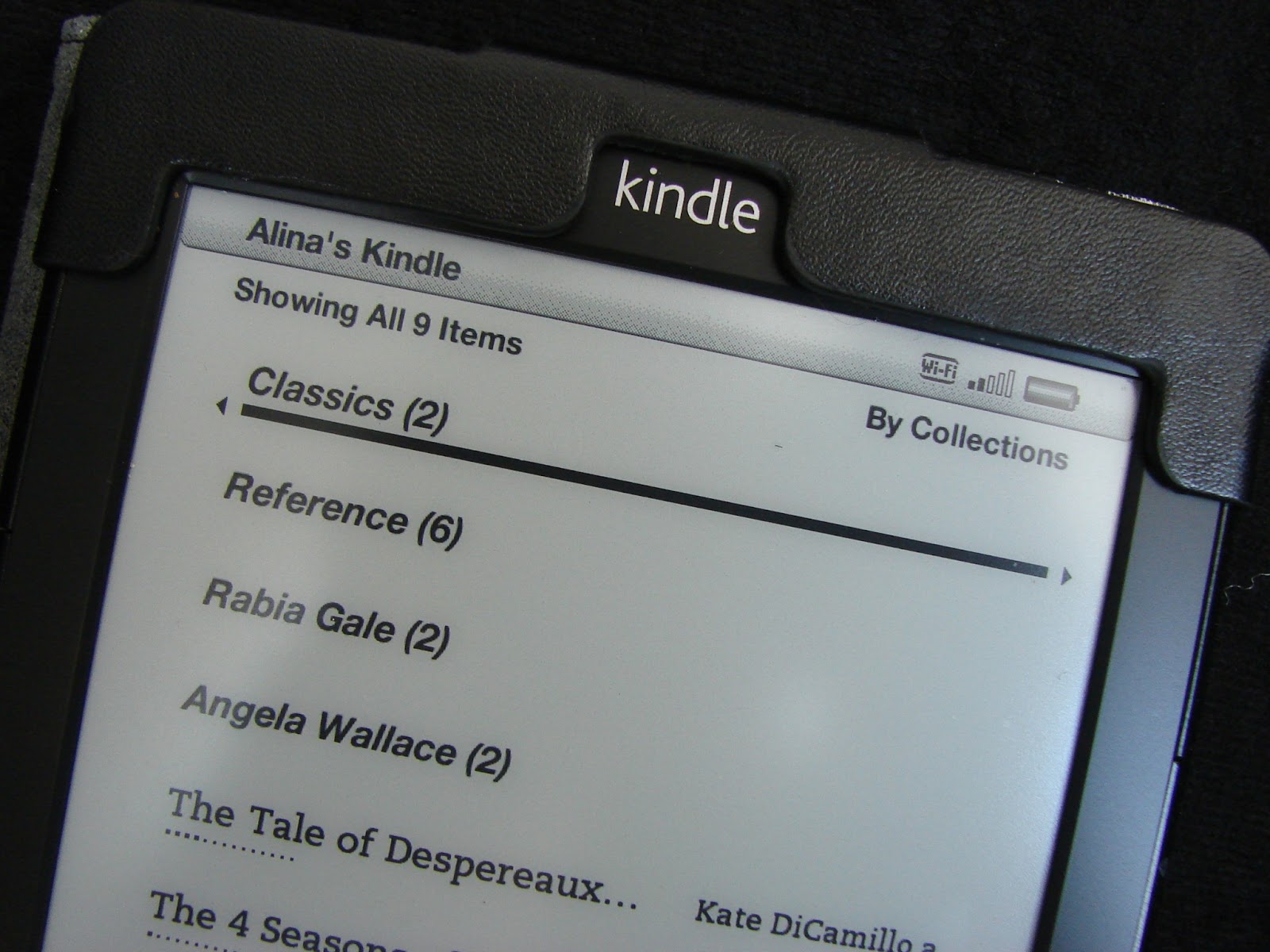
Now I can read even more  books at a time. Being the die-hard fan of paper books that I am, I held out a long time on an e-reader, but finally caved when my family gave me a Kindle for Christmas. Now I realize that, while I may always be partial to the smell and feel of paper, I don’t have to choose which method to love.
More methods of reading means more books 🙂 

Kindle reading does come up smaller by the inches method, but I’ve already got more in-progress titles on here, including Dreamwalker and Mourning Cloak by writer friends Angela Wallace and Rabia Gale
*Sigh* Maybe I need this on my wall: 
Library Wall Clock So Many Books, So Little Time

How about you? What are you reading? 


Life

March is here, and my camera and I see the world returning to life in small and miraculous ways. 

In little leaves whose pale flush of chlorophyll hasn’t fully waxed to green…

…buds so fresh out of the branch that they’re still sticky…

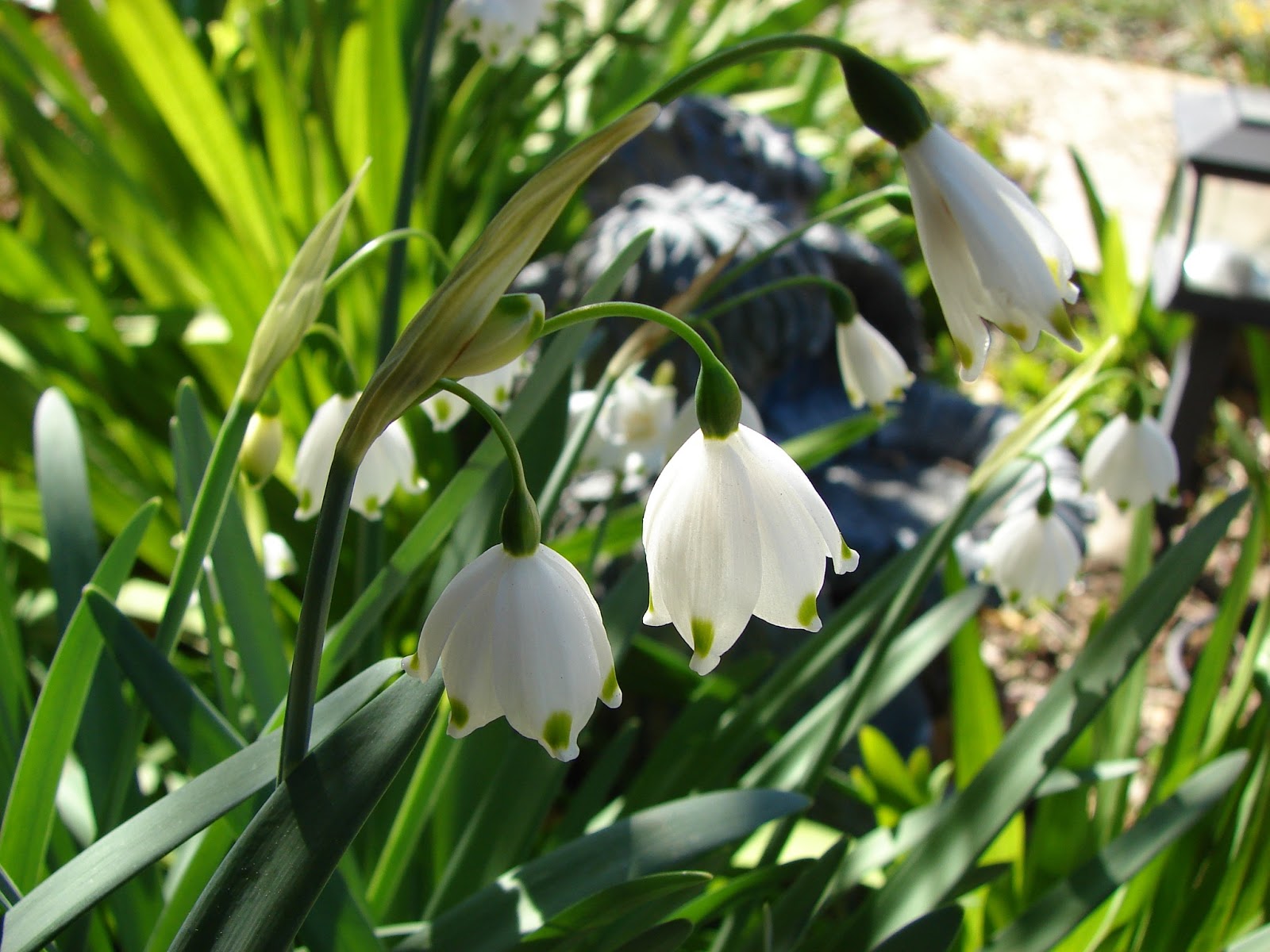
 …delicate lily flowers like drooping bells, blooming from sleeping underground bulbs…

…tiny rose leaves still backed with soft, silvery hairs… 

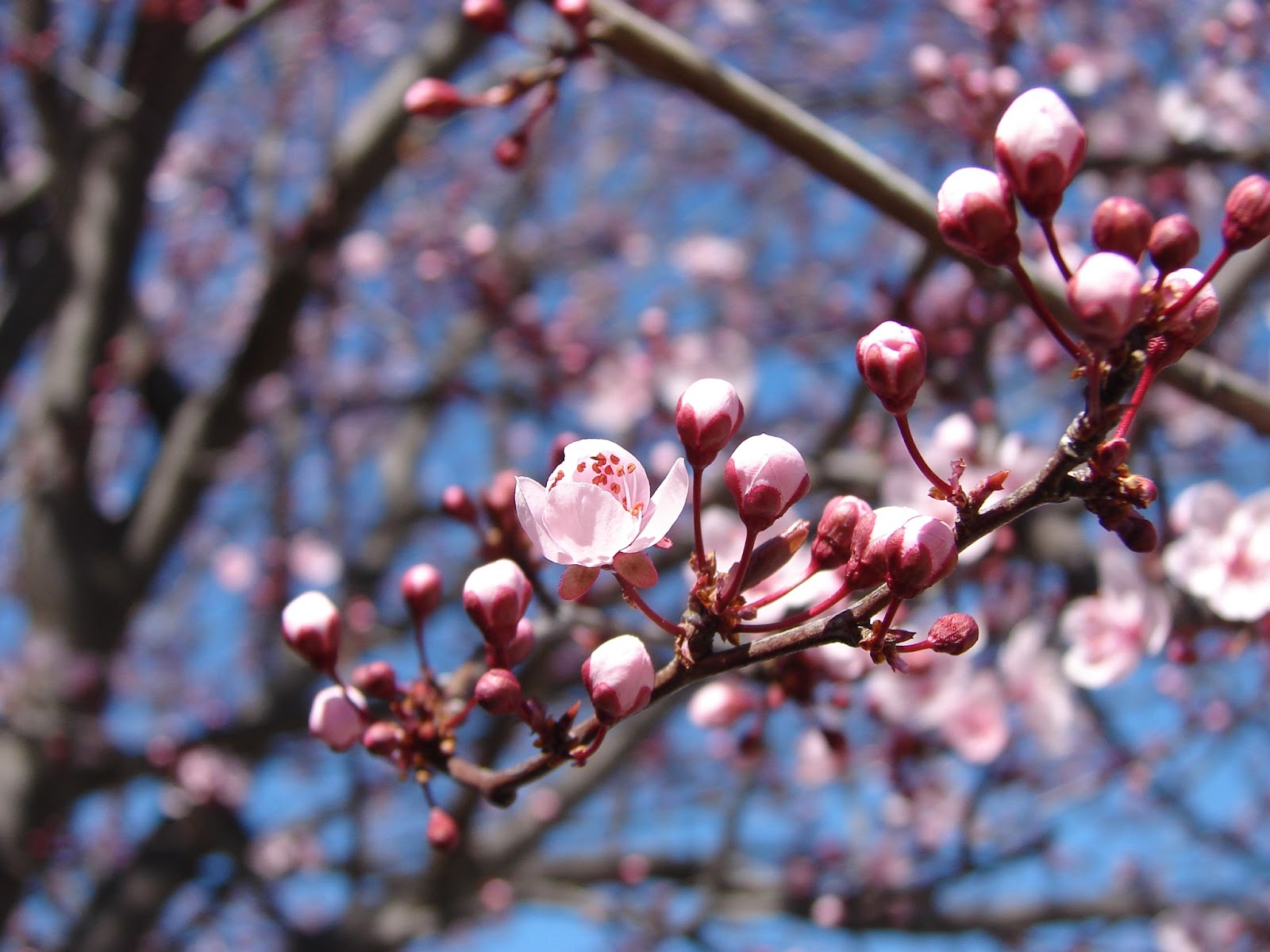
…plum trees blushing into plumes of cotton candy, with thousands of fingernail-sized pink blossoms opening at the same time…
See! The winter is past; 
the rains are over and gone.
Flowers appear on the earth; 
the season of singing has come.

Long Spoons Living

I once received an e-mail forward telling the story of a fictional tourist who wandered through heaven and hell. I typically don’t much care for forwarded e-mails, often finding them shallow and sappy. This one might be both, but for some reason it stuck with me and came around to mean something deeper.

So the story goes, our tourist arrives in hell and is surprised to see a large table around which is seated a group of people. A  large pot in the middle of the table contains plenty of food for all of them. But the only utensils the people have are spoons, as long as yardsticks, strapped to their arms. As the diners try to bring food back to their mouths, it slips off their long, clumsy utensils, leaving the people starving and emaciated.

Image courtesy of stock.xchng and salsachica

To the tourist’s further surprise, heaven contains almost the same scenario: table, pot of stew, long spoons. But the people there are well-fed and happy, laughing and talking as they share the meal. Why? Because they are using their long spoons to feed each other, reaching across the table to supply one another’s needs, and in turn having other people meet theirs.

Giving is a two-way street. Growing up in a community-oriented family environment, I guess I never really questioned having my needs met by them or my responsibility to contribute to the family. The needs at stake weren’t only food, shelter, and clothing, but also love, community, and affirmation. When I went to college, I took this mentality with me: your roommates, friends, classmates, even professors, are human beings who deserve your respect and need your care. It works excellently when people in community with each other share this perspective.

Image courtesy of stock.xchng and alexkalina

However, not all people do. In college especially, I met some people who were intent on using their spoons to feed only themselves, no matter how clumsy and inefficient the effort. Many were single, reasonably affluent, living on their own for the first time, and absorbed in their own education experiences. Their resources of time, money, energy, were completely consumed by activities they found fun, their own personal goals, or relationships that got them ahead. There was nothing left over to give to others. I, too, tried feeding only myself with my spoon for a while, and it left me feeling tough, yes, self-sufficient, yes, but still gnawingly hungry.

Image courtesy of stock.xchng and mzacha

But constantly feeding other people with your spoon while they continue to feed only themselves is a recipe for straight-up starvation. Long-term, one-sided sacrifice and service lead to burnout and loneliness. Giving to your community is a good thing. In fact, in the short term, sometimes the best and most needed giving is to people who can’t give back. But if you’re constantly feeding others and no one reaches out to feed you back, you’ll end up malnourished, not to mention exhausted and probably disillusioned.

Image courtesy of stock.xchng and LoganCale

Successful, mutual relationships are about people using their long spoons to feed each other–parents and children, husbands and wives, church communities, friends. When you look at your resources and, instead of using them all up on yourself, sacrifice some for someone else, you risk not having enough. But the most satisfying feeling in the world is when the math doesn’t add up. You give away something you want or need (affection, time, money, energy, etc.). But instead of being left hungry, someone else comes in and provides for your deficit, making up the difference.

Image courtesy of stock.xchng and juliaf

It’s called love, I think. It’s looking at this enormous, awkward spoon you’ve been given to eat with and, instead of seeing it as an ill-formed impediment because the goal is feeding yourself, seeing it as the perfect tool because the point is to feed someone else.

Lament

Two weeks ago, I did something terrifying.

I read poetry in front of people.

Scary poetry. Honest poetry. Lament poetry.

Lament is one of my new favorite words. Merriam-Webster (almost the best dictionary ever, after the OED), defines it as an intransitive verb, meaning to mourn aloud. 

Free image courtesy of stock.xchng and OmirOnia


Mourn. Aloud.

I love my church. It’s my family. But over the last year especially, I’ve been realizing that the larger church–or at least many people in it–has little space in its theology for the bad things that happen. I’m not talking about little struggles, bumps in the road. Those are a natural part of every human’s life. I’m talking about the bad things–the things for which there is no sense. Eight-year-old girls who get leukemia. Forty-five-year-old fathers who die of cancer. Classes of kindergarteners shot down by sick, deranged gunmen.

Volumes and volumes of Christian theology are devoted to understanding these things. Logical treatises, high-caliber philosophical explanations are offered. Yes, in moments of quiet, those explanations can help us understand a world that shakes us to the core. Yes, there is a place for understanding. But it’s not in the middle of the suffering.
It’s natural to want to skip past the pain to the victory; to tell thesis-driven, neatly packaged stories of conflict, climax, and resolution. We minimize the dark, torn-up moments of life because we don’t know what to do with them–instead we fast-forward straight to the overcoming, the lesson learned, the transformation accomplished. All those are good things to see and give thanks for, in 20/20 hindsight. But sometimes, when you’re in the midst of the story, you have no idea what the resolution’s going to look like. And when your feet are bloody from the road, you may not even be sure you’ll ever reach the destination.

Free image courtesy of stock.xchng and jagoelaar


My pastor has started a sermon series on laments in the Bible, and it brings me joy because it means our church is talking about these things. The most helpful thing, when all the walls of your world are caving in and you have no pain tolerance left, is to mourn. To acknowledge the pain. The frustration. The fear. The confusion. The anger. The abandonment. These are real feelings. If you haven’t bled on the sharp point of these feelings yourself, others’ cries of lament may sound grotesque, depressing, even melodramatic. But listen anyway. Mourning sucks the venom from the snakebite. It keeps the sorrow from drowning you when you can’t yet see the shore. And to listen to someone else’s mourning, to be a safe sound room where their raw pain can be released, is to help them heal. 

Free image courtesy of stock.xchng and anyone71

So here are a few laments. Though my lament two weeks ago was in poem form because I love the power of poetry to express raw emotion, laments can also be expressed through songs, stories, paintingsarticles, novels, and maybe even forms I haven’t discovered yet.

Here’s one of my favorite laments, a poem called Bereft by Robert Frost: 

Where had I heard this wind before

Change like this to a deeper roar?

What would it take my standing there for,

Holding open a restive door,

Looking down hill to a frothy shore?

Summer was past and day was past.

Sombre clouds in the west were massed.

Out in the porch’s sagging floor,

Leaves got up in a coil and hissed,

Blindly struck at my knee and missed.

Something sinister in the tone

Told me my secret must be known:

Word I was in the house alone

Somehow must have gotten abroad,

Word I was in my life alone,

Word I had no one left but God.

And a piece of a lament from Psalm 13 (The Message):

Long enough, God
    you’ve ignored me long enough.
I’ve looked at the back of your head
    long enough. Long enough
I’ve carried this ton of trouble,
    lived with a stomach full of pain.

And one from me: 

I am not a poet

I am just a

kid broken by the thunder of

gunfire

brimming with words that

have noplace else

to go.

Though laments are scary to share in all their raw honesty, the sharing is worth it if it frees even one other person to mourn aloud. Or maybe if it teaches someone how to listen. 

Have you ever tried writing a lament? Tried sharing it with others? 

Popcorn

Ever popped popcorn in a hot air popper? It’s pretty fun. In fact, I maybe do it more for the entertainment than for the popcorn.

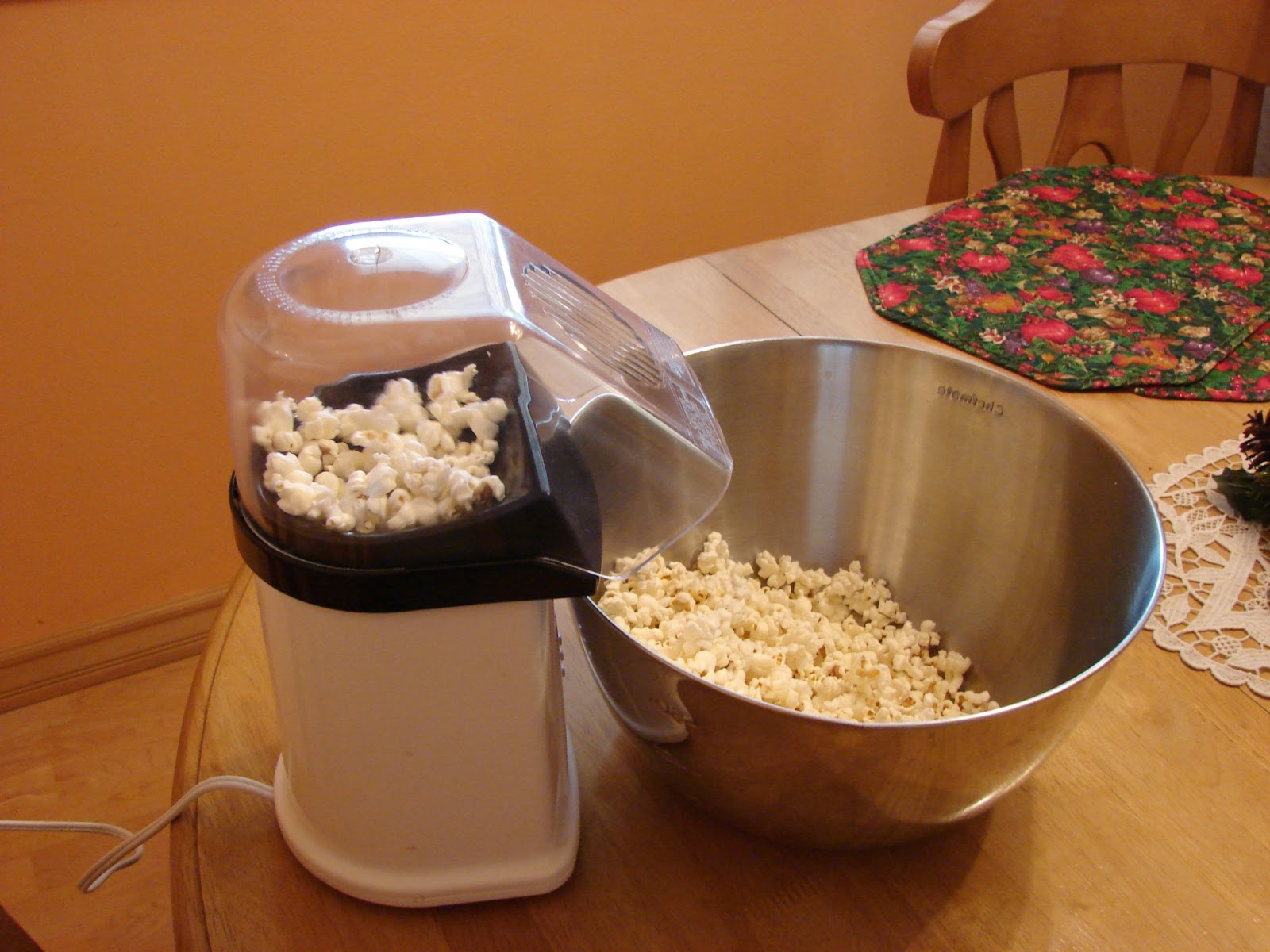
You have to position the implements carefully, though, or you can end up with a popcorn explosion on your hands. You start with so little–just a handful of hard kernels–that if you hadn’t seen it happen before, you’d never expect what happens to them. 

They whirl around in the popper, getting blasted with hot air and doing mostly nothing for a long time. Then–just when you’re about to lose interest and determine that you’ve got a dud batch of kernels on your hands–something happens.

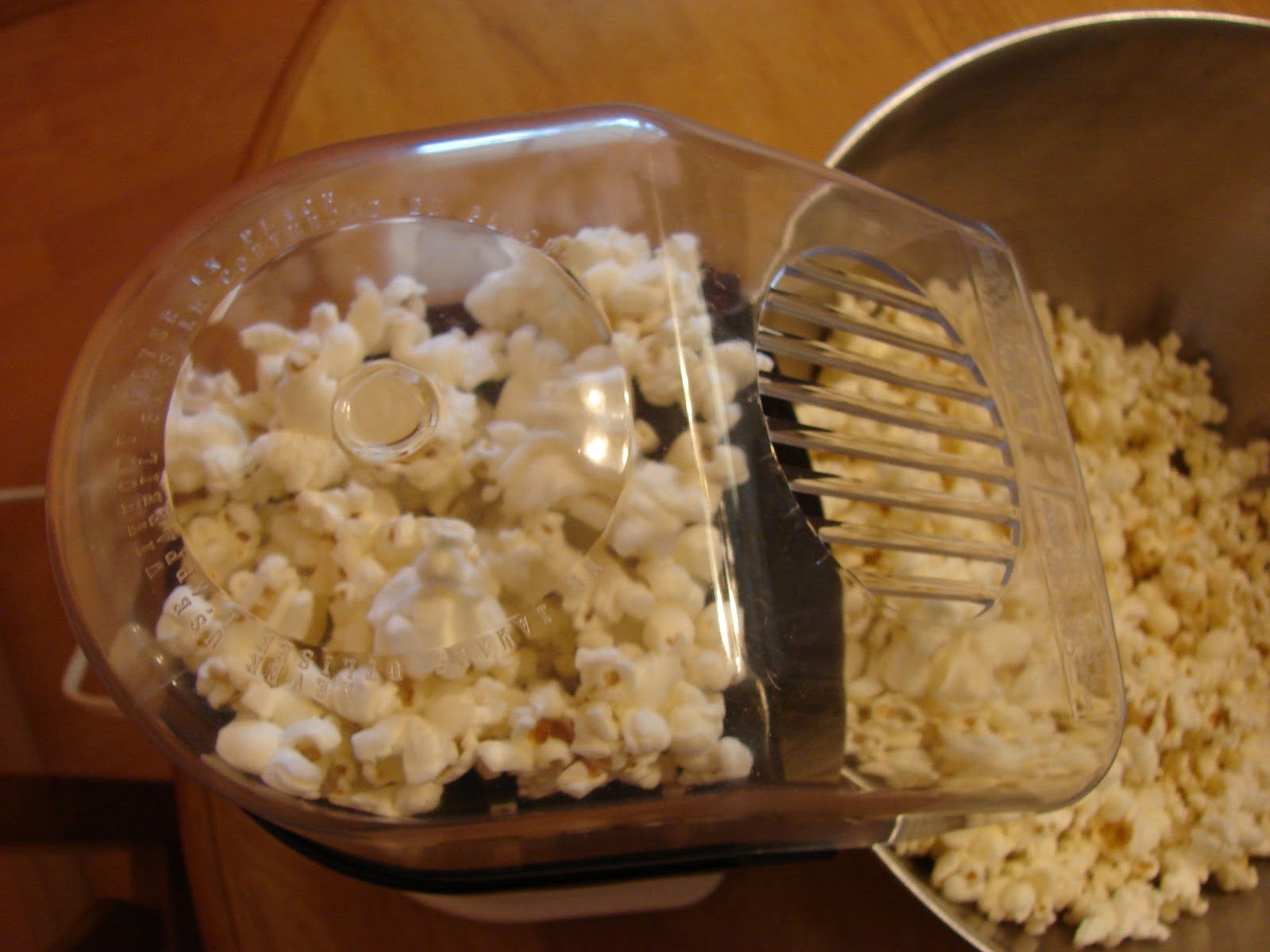
One at a time, a few kernels start to inflate like parachutes, turning from hard pellets to fluffy, cloud-like pillows. 


Then a few rapidly turns into a lot

…until your popper is so full that it looks like it’s going to explode. If that bowl in the picture weren’t squeezed right under the chute, there would be popcorn all over the kitchen floor. (Sometimes a few rogue kernels still get away.) 
I look back at my posts of the last few months, and I kind of see my life going through the popcorn popper, too. A few months ago–a very few–I was writing empty posts, hard posts: how to speak to the suffering, grieving through song lyricsthe confusion of being a twentysomething. But my life today is so full that it threatens to overflow all over the floor. While I still ask unanswered questions and find a constant need for direction, I am also brimming over with gratitude. In just a few months, I’ve gone from a career stalemate, consuming loneliness, and paralysis about future decisions, to career doors opening, an assembly of breathtakingly wonderful people in my life, and hope for the future ahead. Weeping may last through the night, but joy comes with the morning (Psalm 30:5). 

Joy that overflows like popcorn.

What are you thankful for in your life today? How have you seen fullness grow out of emptiness? 

The Spark

In a season of leafless trees and wet skies, here’s a change of pace on this blog: some winter poetry.
Free image courtesy of stock.xchng and Kadha
The Spark

Raindrops like

flowers of glass

clinging to twig latticework

A net of liquid pearls

against the opaque sky.

Unchained

slipping down like

unguarded

strings and strands of diamonds.

One lets go,

falling freely

spinning into space—

—a spark—

concentrating the

dull grey morning un-dark

to a single, fiery

flash—

an upside-down

world-mirror

that catches a glimpse of

hope—

breathing,

reflecting,

transforming,

reimagining the world in

one glass raindrop,

a vision in freefall.

Small Magic

I spent last weekend away at a magical cottage.
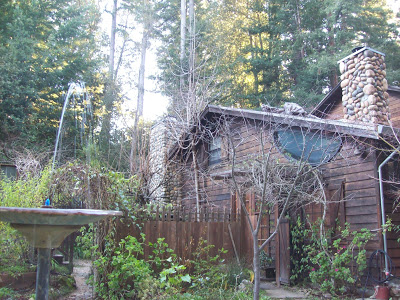
My family and I took some much-needed escape time over MLK weekend and tried our luck on an unknown B&B. Nestled in the big trees of the Santa Cruz Mountains, Redwood Croft is far enough away from civilization to be conveniently detached from cell phone and internet service. The owner informed us that a “croft” was a medieval word for a house, like this wood-and-stone manor, with adjoining land for a garden. (Garden might not be exactly the right word for the wild and lovely ramble of native plants that wound around the house.) The grounds begged me to tramp around with my camera. 
How do I know it was magical, you ask? Well, it was obvious, my dear Chronicles of Narnia fans. There was a lamp-post in the front yard. As if we’d come from the far country of Spare Oom.  
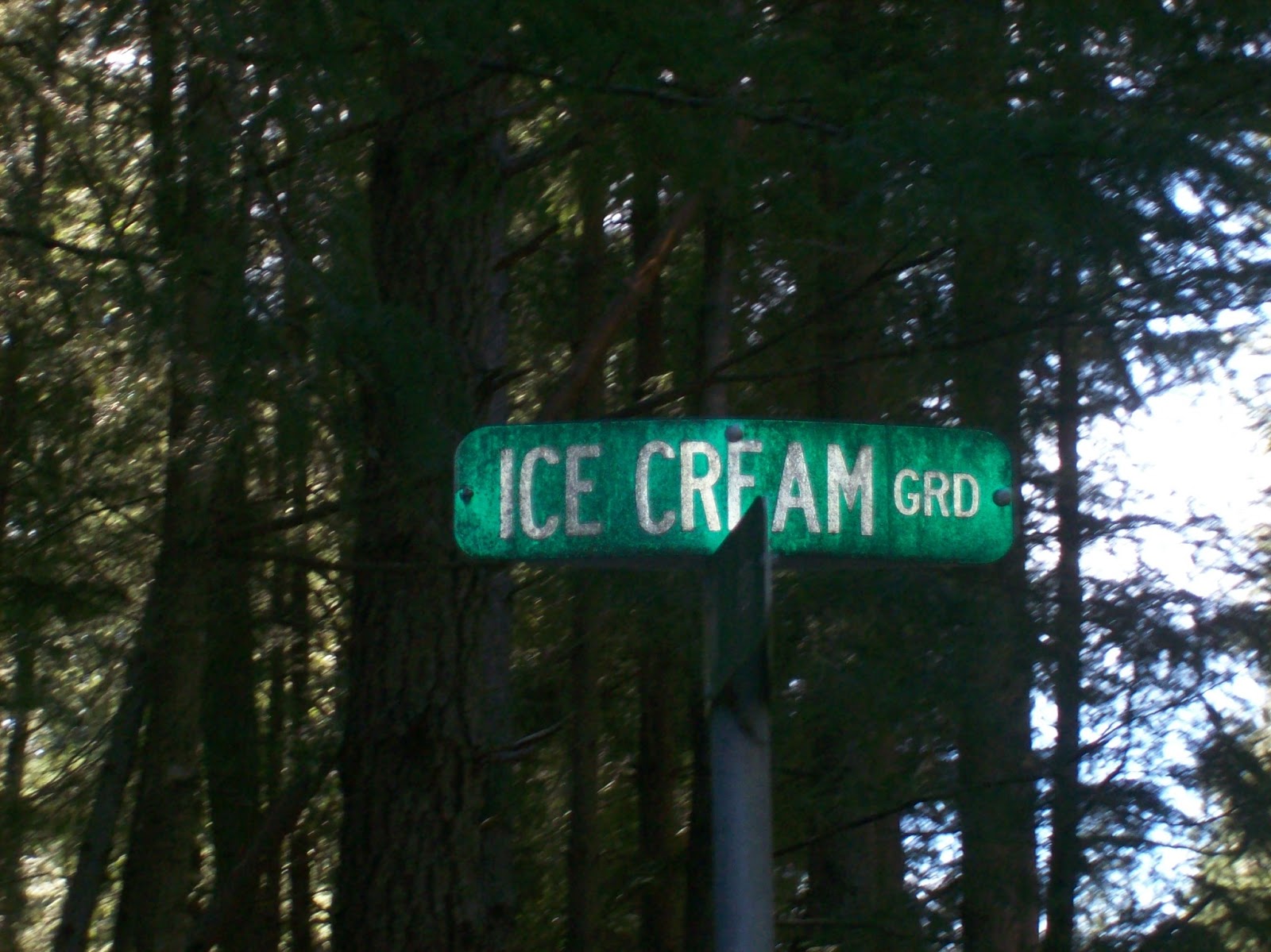
Actually, I knew it as soon as we turned on to the street. It was called Ice Cream Grade. 

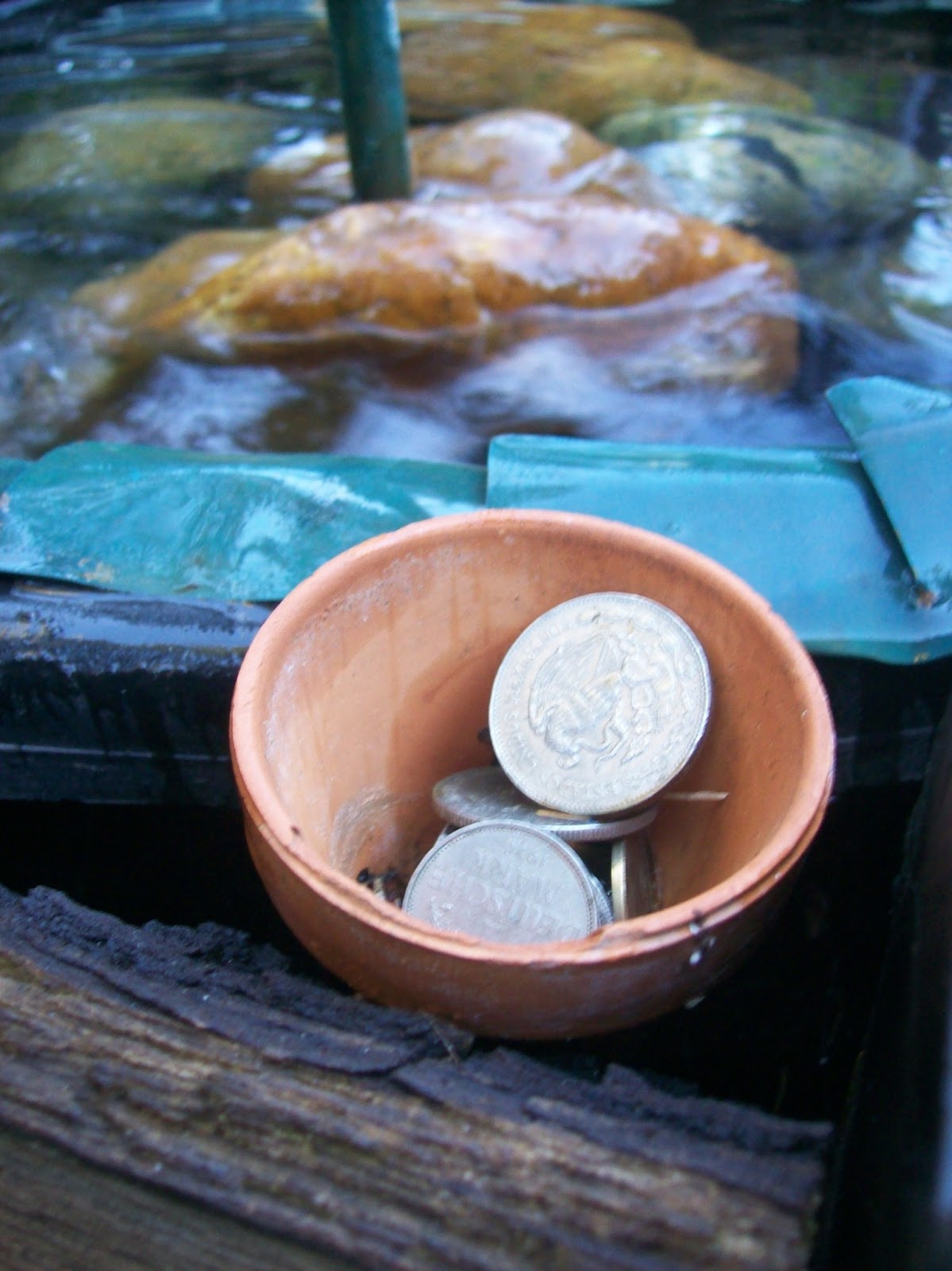
Not to mention that there was a wishing well in the back. Pre-equipped with wishes.  

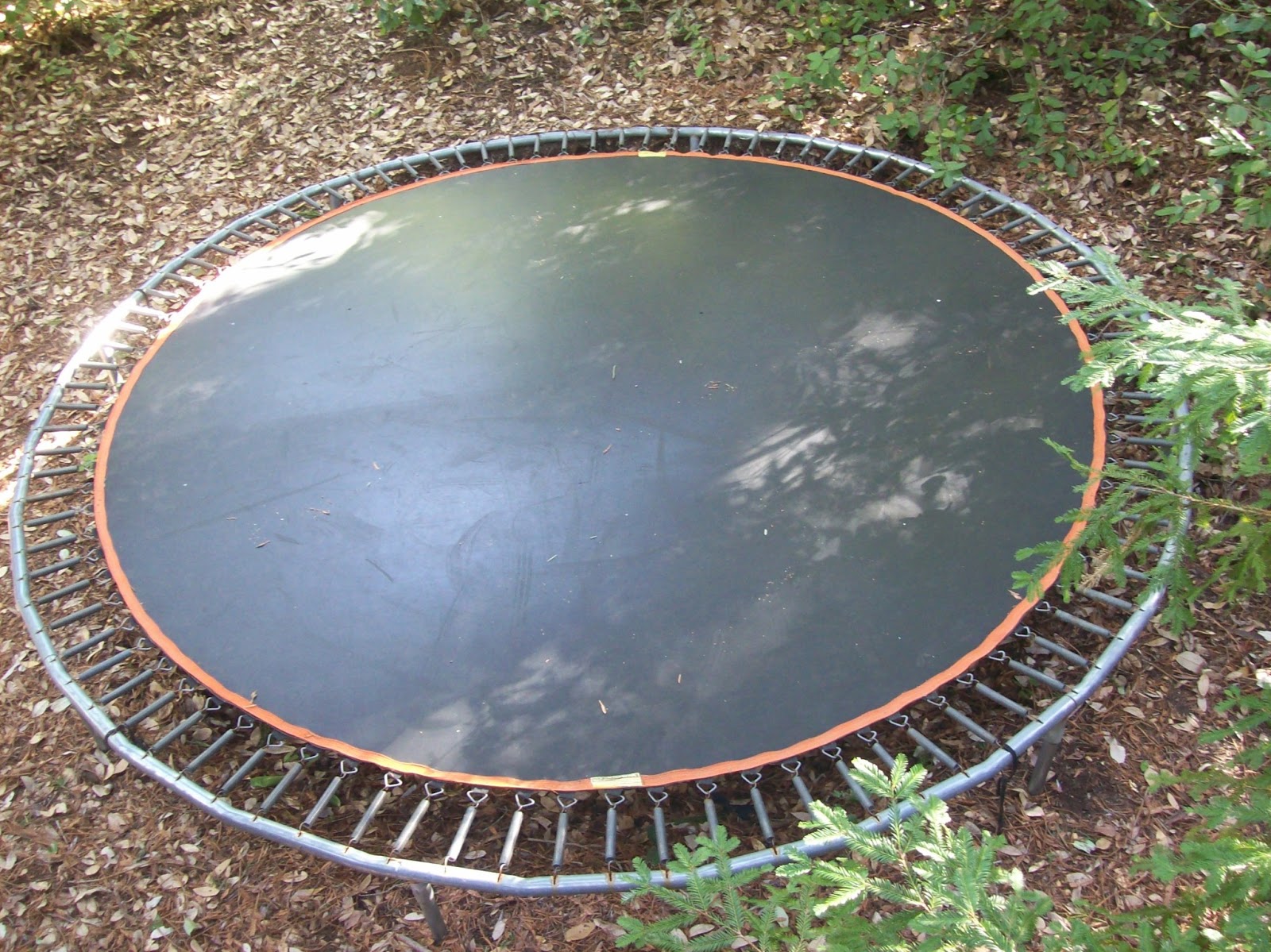
 Maybe not your typical storybook variety of magic, but certainly one that returned me to childhood: the giant trampoline under the redwoods. I hadn’t jumped on a trampoline in years. I quickly rediscovered just how euphoric flying can be.  
Unfortunately, I don’t have a picture of some of my favorite memories, such as sitting down to the sumptuous breakfasts served on vintage dishes, with taper candles and white poinsettias on the table (there are a few photos on the B&B’s website). Or curling up to read by the warm woodstove in the evenings, a strand of Christmas lights twinkling just outside the window, a little old dog named Spinner snoring on a sheepskin on the couch. 

But with views like this to photograph, I didn’t have many pictures left on my camera card anyway. 

Magic is everywhere, usually in the small things, if you’re looking for it. Maybe it was just a little easier to see at Redwood Croft.

Did you have any adventures over the long weekend? Discover any small magic of your own?